Crystal Lagoons® Revolutionizes Beach Life in Florida

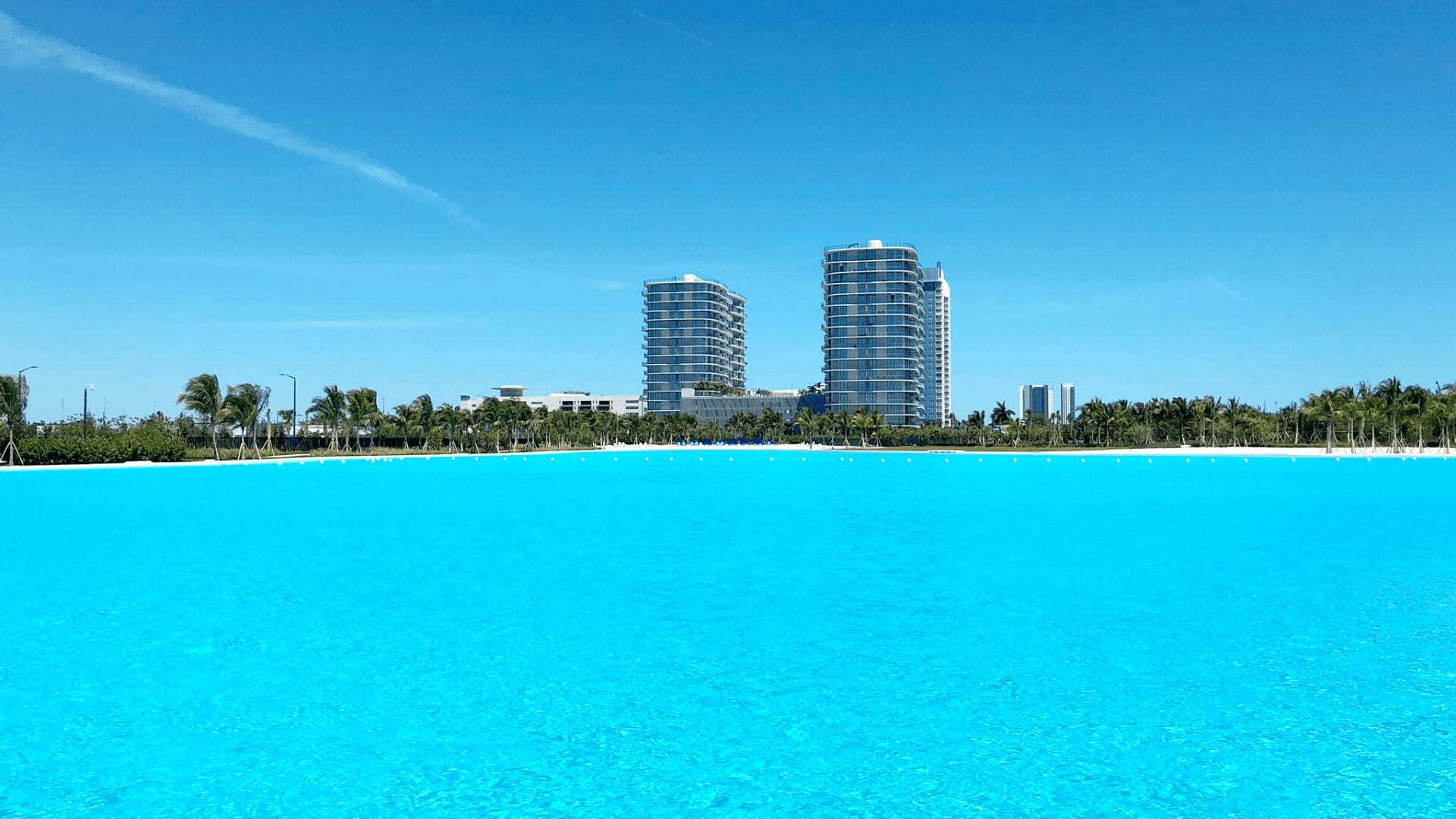
With one operational lagoon and three soon to be inaugurated, Crystal Lagoons® is positively changing coastal living in the state of Florida. Having brought the best of the coastline to some of the most rapidly growing and sought after inland areas, the firm is showcasing crystalline blue waters that span in size from 5 acres to over 15 acres. With each surrounded by shores of resort-style activities, swim-up bars, palm trees and white sand beaches, the Miami-based multinational is creating the perfect place to call home.

Known as Epperson, Mirada, Southshore Bay, and Brightwater, these residential developments boast an elevated lifestyle found only in select spots throughout the world. All anchored by crystalline lagoons, powered by the firm’s pioneering sustainable technology allowing the use of limited water and energy resources.

Crystal Lagoons amenities use 100 times less chemical products and consumes only 2% of the energy needed by conventional filtration systems, while fully complying with the most stringent water quality standards. They additionally capture rainwater so that required make-up in some locations can be zero and it should be noted that the lagoons can be filled with almost any type of water including brackish water and salt water, using potable water is not a requirement.

SOUTHSHORE BAY

Southshore Bay, a new gated community developed together with Metro Places which includes a separate section for Inspired Active Adult living. Located in Hillsborough County, it takes the best of the Florida coastline and brings it inland to the heart of this community. With acres of crystal clear blue water residents can swim, kayak, paddle–board, relax or simply enjoy the breathtaking view.

BRIGHTWATER

Already hugely popular throughout the world, Metro Lagoons and Crystal Lagoons united to include a 5-acre lagoon at Brightwater which will allow homeowners to have an opportunity to live beach life steps away from their front door.

MIRADA

The 15-acre Crystal Lagoons amenity at Mirada provides the perfect centerpiece in this community with plans for 5000 homes. Mirada delivers a unique, beach life in a growing, convenient location in the Tampa Bay area. With the pristine lagoon, this iconic, transformative amenity complements the overall 21st century interconnected lifestyle that Mirada will offer.

EPPERSON

Epperson saw a 21% sales increase during the preconstruction period, over a seven-month time frame, compared with 1% to 5% increases at competitor communities, according to Builder Magazine.

The impressive 8-acre crystalline lagoon has been a tremendous draw and homes have been registered to sell at a 9% to 10% premium comparable homes in the Tampa area, a phenomenon which many developers have come to know as the “lagoon effect”.

Originally intended to be exclusively for residents, due to demand, the amenity converted to the firm’s business model Public Access Lagoons™, known as PAL™.

Corporate news

Outstanding news

  • LeFrak and Turnberry placed a lagoon powered by Crystal Lagoons® technology at the heart of the Solé Mia development. The project has achieved occupancy rates of up to 99%, earned international awards and commands up to US$1,800 more in monthly rent per unit.

In North Miami, one development fully leased its first tower in just three months. Today, it commands up to US$1,800 more in monthly rent per unit than neighboring properties. And it was built, quite literally, on a former landfill. Its name is Solé Mia, and its story is a must-read case study for any developer looking to stand out in an increasingly competitive market.

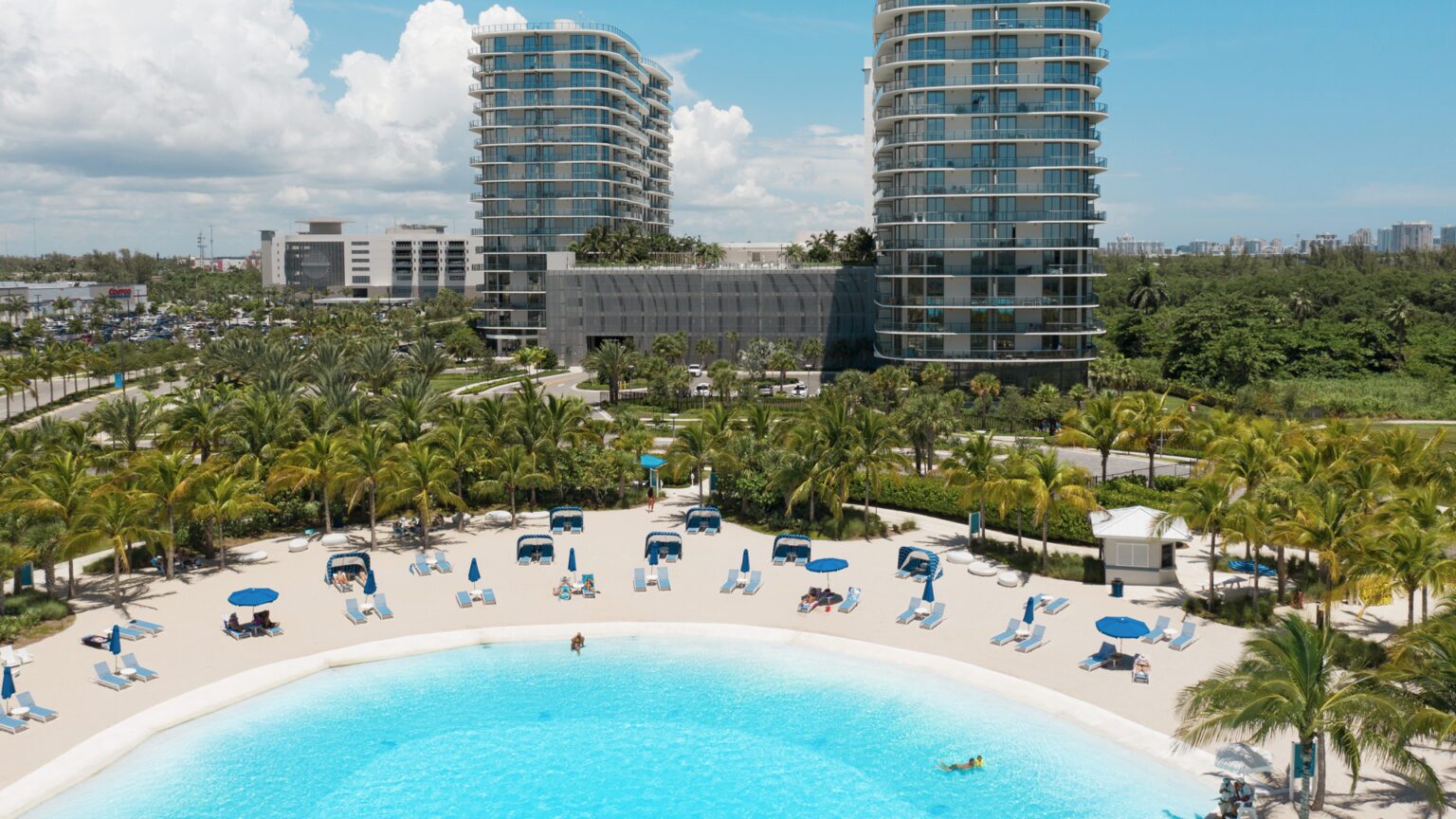
The key to it all is a 6.61-acre lagoon powered by Crystal Lagoons® technology, the first of its kind in South Florida.

A Project That Lives Up to Its Creators

Solé Mia is no ordinary development. It is backed by LeFrak and Turnberry, two of the most respected names in U.S. real estate, bringing a rare level of experience and credibility to the project.

LeFrak has more than a century of experience and a portfolio of over 400 buildings. Turnberry has spent more than 50 years creating residential, commercial and hospitality destinations, and manages a real estate portfolio valued at US$10 billion.

The project’s numbers speak for themselves:

  • 184-acre master plan in North Miami
  • Estimated investment of US$4 billion
  • Up to 12 planned residential towers, with more than 6,000 approved units
  • Four completed towers totaling 1,473 units, with a fifth under construction
  • Schools, a medical center, retail, offices and resort-style amenities integrated into the master plan

It is, quite simply, a city within a city. And at the center of it all is a lagoon created by the multinational water innovation company.

The Numbers Speak for Themselves: Unprecedented Returns

For developers, good ideas are measured by their return on investment. The crystalline lagoon became the centerpiece of the project, and the financial results prove the strategy worked:

  • Near-full occupancy: The project maintains occupancy rates of between 96% and 99%. Units overlooking the lagoon are in the highest demand.
  • Rental premium: Solé Mia commands rents 15% to 25% above market rates for comparable properties in North Miami.
  • Additional income per unit: That premium translates into monthly rents of up to US$1,800 more per unit.
  • Direct comparison: While a two-bedroom apartment in North Miami typically rents for between US$2,400 and US$2,800 per month, comparable units at Solé Mia command between US$3,300 and US$4,200.

The Quote That Says It All

Richard LeFrak, who leads one of the largest real estate companies in the United States, does not make a habit of speaking in superlatives. That gives even more weight to what he said about the leasing of the project’s first tower:

“The Shoreline at Solé Mia is the fastest and most successful rental lease-up in the company’s 100-year history of real estate development.”

When the Media Takes Notice

The Miami Herald, one of Florida’s most influential news outlets, described Solé Mia as a “neighborhood game changer.” It was more than a headline: within three months of its January 2019 launch, the project’s first tower was 100% leased.

Financial Times and Bloomberg have also covered the project, citing it as a benchmark for innovation in large-scale, mixed-use communities. Residential developments do not often capture the attention of global financial media, but Solé Mia did, thanks to one clear differentiator: its crystalline lagoon.

A Development Designed for Every Type of Resident

Another strength of Solé Mia is its ability to attract very different segments through a shared value proposition:

  • Families looking for larger units, club-style amenities and a safe environment
  • Young professionals and couples drawn to studios and one-bedroom apartments designed for an active lifestyle
  • Students and short-term renters who prioritize connectivity and social life
  • Seniors who value tranquility, wellness and access to healthcare

That versatility is precisely what makes the lagoon a unifying amenity across every resident segment. Everyone uses it. Everyone values it. And that translates into sustained occupancy across the entire product mix.

From Contaminated Land to an Urban Icon

Perhaps the most remarkable part of Solé Mia’s story is where it began. The site was a former landfill, a contaminated site that was virtually unusable under a conventional development model.

Through an Opportunity Zone strategy and an extensive environmental remediation process, LeFrak and Turnberry transformed the property into one of Miami’s most sought-after developments.

Crystal Lagoons® technology made it possible to build a crystalline lagoon for watersports, white-sand beaches and an active waterfront community on that very site.

The development continues to grow. It recently added the first floating pickleball court installed on a residential lagoon in the United States, another example of how the lagoon remains a platform for creating new amenities.

An Award-Winning and Exclusive Ecosystem

Solé Mia is more than a commercial success. It has become a benchmark for design and sustainability, earning some of the industry’s most important honors for its transformation of this urban site.

The project received the 2020 World Design Award for Best Landscape Design Built, presented by The Architecture Community. That same year, it won the Golden Novum Design Award for Urban Planning and Landscape Design.

The model works because it intelligently combines white-sand beaches and watersports with essential services such as a UHealth medical center, schools, coworking spaces and retail areas. It attracts families, young professionals and students—all looking for an urban resort lifestyle.

Solé Mia’s formula is clear. Integrating a lagoon powered by Crystal Lagoons® technology is not simply a landscaping expense. It is a highly replicable business strategy for urban multifamily markets looking to create real value, stand out from the competition and secure long-term profitability.

Original Content

  • The hospitality industry is increasingly competitive, demanding amenities that create unique experiences. Small Lagoons by Crystal Lagoons™ offers a new way to stand out, attract guests, and maximize a development’s potential.

For decades, a swimming pool has been almost a must-have for hotels and resorts. But the market has changed. Today, having a pool doesn’t necessarily set a property apart. Guests are looking for spaces that surprise them, offer different ways to enjoy their stay and, of course, make them want to take photos and share the experience.

That’s where a new alternative for the hospitality industry comes in: compact lagoon amenities.

Small Lagoons by Crystal Lagoons™ brings the appeal of a turquoise-water lagoon and white-sand beaches to spaces ranging from 500 m²/ 5,400 sq ft to 4,000 m²/ 1 acre. Designed for real estate and hospitality developments, the concept makes it possible to create a beach-style experience even where space is limited.

From a Pool to an In-Hotel Destination

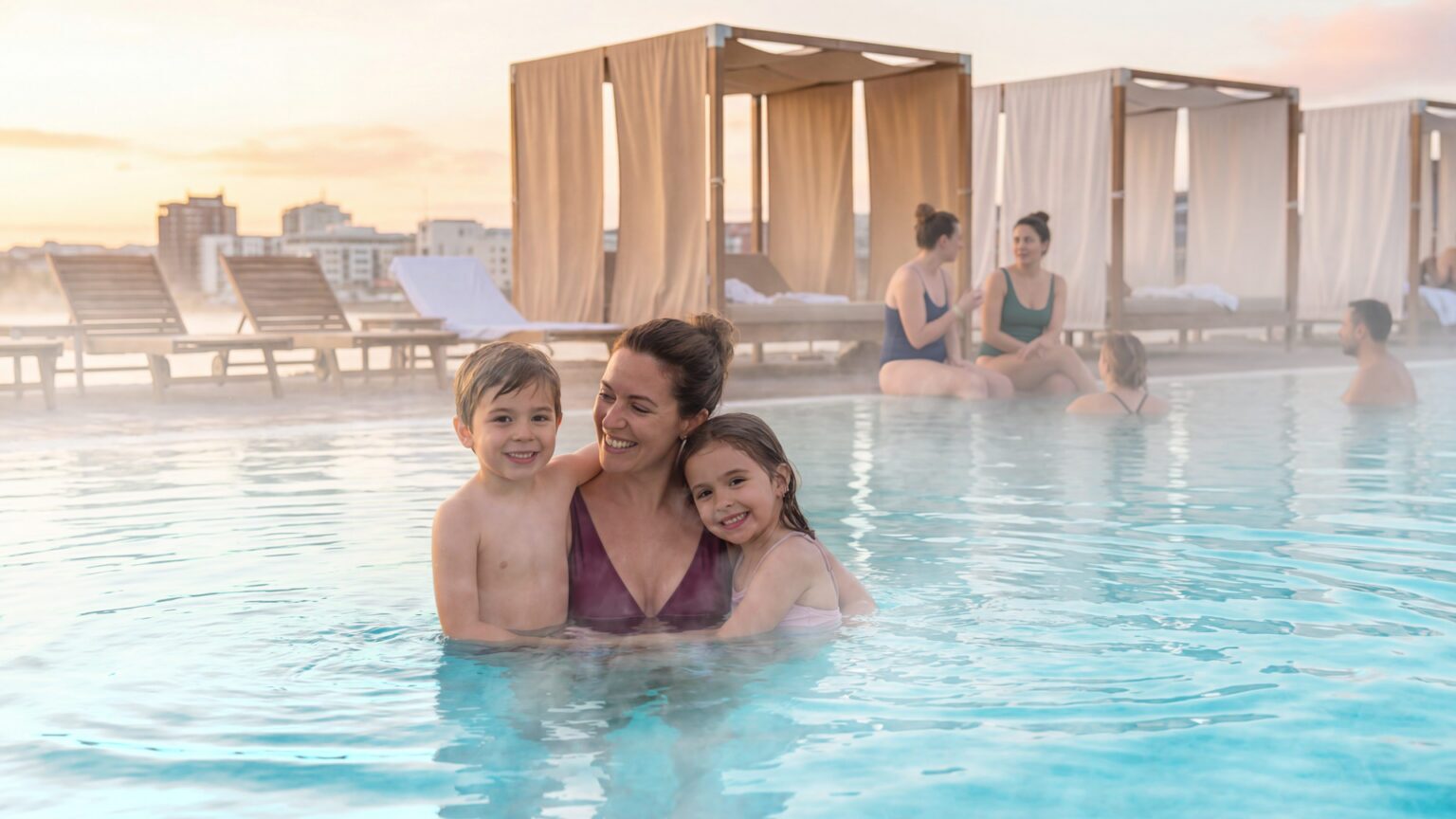
The visual impact is immediate. Resort pools tend to follow a familiar formula. A lagoon creates something entirely different, transforming the space into a destination in its own right.

The combination of turquoise waters, white-sand beaches, and inviting areas to relax and unwind creates an atmosphere that feels more like a vacation destination than a traditional hotel amenity. That makes a real difference in hospitality, where guests often form their first impression long before check-in—through a photo on a hotel website, booking platform, or social media.

For a developer, the result is an asset that’s not just for swimming. It can become a defining feature of the property and one of its most compelling selling points.

Small Lagoons by Crystal Lagoons™ was created with this goal in mind: to help projects stand out and boost sales and occupancy by offering an experience centered around turquoise waters, white-sand beaches, and the beach lifestyle.

What Does the Guest Experience?

  • A greater sense of space.
  • The feeling of being at a beach destination.
  • Areas designed for different groups and ages.
  • More memorable, shareable experiences.

More Experiences in Compact Water Spaces

One of the main advantages over traditional swimming pools is the range of experiences that can be created in and around the water.

These smaller-scale lagoons from the multinational water innovation company combine white-sand beaches, relaxation areas such as the Lagoon Lounge, recreational spaces, and water sports. This allows a single amenity to appeal to different types of guests and offer different experiences throughout the day. The technical materials of Crystal Lagoons highlight this distinction compared with commercial swimming pools, which are primarily designed for swimming.

For hotels and resorts, this opens up new possibilities: turning limited space into a place where guests want to spend more time, rather than simply taking a swim and moving on.

A Different Approach to Costs

The appeal of compact man-made lagoons goes beyond aesthetics.

Small Lagoons by Crystal Lagoons™ uses a liner system that eliminates the need for the periodic repainting often required by commercial swimming pools. Its ultrasonic flocculation technology also eliminates the need for large centralized filtration systems and the mechanical rooms they require.

For hospitality developers, the difference is particularly significant in three key areas:

  • Lower construction costs: A Small Lagoons by Crystal Lagoons™ project can be significantly less expensive to build than a commercial swimming pool of the same size.
  • Lower maintenance costs: Maintenance expenses can be as little as one-third of those associated with a traditional commercial pool.
  • Lower hydraulic equipment replacement costs: The system helps reduce one of the significant recurring expenses associated with conventional swimming pools.

There are also broader benefits for hospitality developers:

  • Stronger differentiation from competing properties.
  • Greater appeal to potential guests.
  • Higher perceived value for the development.
  • More opportunities to strengthen marketing and sales strategies.
  • A distinctive visual centerpiece that can become an icon for the property.

The New Standard in Recreational Amenities

The hospitality industry is constantly evolving to meet the expectations of increasingly discerning travelers. In this environment, recreational amenities need to offer much more than basic functionality.

Small Lagoons by Crystal Lagoons™ represents a new generation of water attractions: spaces designed to create memorable experiences, strengthen a project’s value proposition, and turn an amenity into a strategic asset.

For hospitality developers looking to stand out, attract more guests, and make their properties more appealing, the question is no longer whether a compact lagoon can replace a swimming pool. The real question is how much added value it can generate.

Original Content

  • A water attraction can go from being just another amenity to becoming the hotel’s signature feature. The key is choosing a solution designed to operate efficiently, stand out, and grow.

In hospitality, a water attraction can be much more than just a recreational space. When chosen well, it can become the signature feature of the resort, enhance the guest experience, and provide a clear reason to choose one property over another. The industry recognizes that distinctive amenities play an important role in differentiation, guest satisfaction, and the ability to attract visitors.

That’s why, when evaluating water attractions for hotels, the question shouldn’t be limited to how much they cost or how many square feet they occupy. The real challenge is finding a solution that works from a design, day-to-day operations, and commercial positioning standpoint. This is where Crystal Lagoons® technology truly stands out.

Six Key Factors When Choosing Water Attractions for Hotels

1. Make the Attraction Part of the Resort Concept

The best hotel water park design doesn’t start by choosing equipment from a catalog. It starts by understanding the experience the hotel wants to create.

Is it a family resort? Is it focused on luxury? Wellness? Longer stays? A beach experience far from the coast?

Signature water attractions create more value when they are integrated from the outset into the master plan, architecture, landscaping, restaurants, and guest rooms.

A good example is AVA Resort Cancún, in Mexico. Its 2.9-acre lagoon powered by Crystal Lagoons® technology sits at the heart of a 1,622-room resort and allows guests to swim, sail, kayak, and paddleboard. The hotel itself presents AVA Bay as one of the central elements of the guest experience.

2. Look at Operations, Not Just Visual Impact

A water attraction may look spectacular in a rendering but later become difficult and costly to operate.

Before choosing among water entertainment providers, it’s important to evaluate energy consumption, water treatment, chemical use, maintenance, staffing requirements, and monitoring systems.

For example, Crystal Lagoons® technology allows its lagoons to use up to 50 times less energy and 100 times fewer chemicals than a traditional swimming pool. They operate in a closed-loop system and only require replacing the water lost mainly through evaporation.

3. Require Water Quality Control and Continuous Monitoring

In water attractions for hotel developments, safety and operations go hand in hand.

The provider should clearly explain how water quality is controlled, which processes are automated, how deviations are detected, and how the system adapts to local regulations.

The crystalline lagoons feature sensors, dosing systems, and telemetry monitoring connected to the Crystal Lagoons Control Center, which remotely supervises water quality parameters and hydraulic systems.

4. Look for an Experience That Generates Activities

A large body of water should be actively enjoyed.

Swimming, kayaking, paddleboarding, boating, aquatic circuits, beaches, cabanas, events, and food and beverage offerings allow the amenity to serve different purposes throughout the day and appeal to different guest profiles.

At Hyatt Regency Hill Country in Texas, the 2.2-acre lagoon includes beaches, private cabanas, water sports, and a new food and beverage offering.

5. Measure How Much It Truly Differentiates the Hotel

Water features for hotels can add to the entertainment value. A signature attraction should do more: it should make the property instantly recognizable.

Evermore Orlando Resort, for example, built part of its concept around an 8-acre crystalline lagoon, integrated into a US$1.5 billion development that includes vacation homes and a 433-room Conrad hotel.

The distinction matters. It’s not just about adding another amenity, but about creating a defining image that becomes directly associated with the destination.

6. Choose a Solution That Can Grow with the Business

A resort evolves. So do its guests and its opportunities to generate new revenue. That’s why a strong water attraction should allow the property to add new experiences, dining options, events, and sports, or adapt to future phases of the development.

The Public Access Lagoons® model, also known as the PAL® model, takes this approach even further by transforming the lagoon into a destination open to outside visitors as well, generating revenue through admission fees, activities, food and beverage, and events. This makes it possible to expand the development’s audience and create new revenue streams around the water.

Treasure Bay Bintan, in Indonesia, is a good example: its lagoon became the centerpiece of a concept that combines hotels, glamping, water sports, and paid access, extending the project’s appeal far beyond its hotel guests.

From Amenity to Destination

When evaluating water attractions for hotels, the deciding question should be simple: does this investment merely add another activity, or does it change the way guests perceive the resort?

Crystalline lagoons make it possible to bring a beach experience to hospitality projects in a wide range of settings and turn water into a focal point for gathering, recreation, and differentiation.

For hotel developers, that’s the opportunity: to create an amenity that isn’t just an addition to the project, but one of the main reasons to visit it.

Original content