Press Announces Advanced PAL™ Negotiations in Morocco

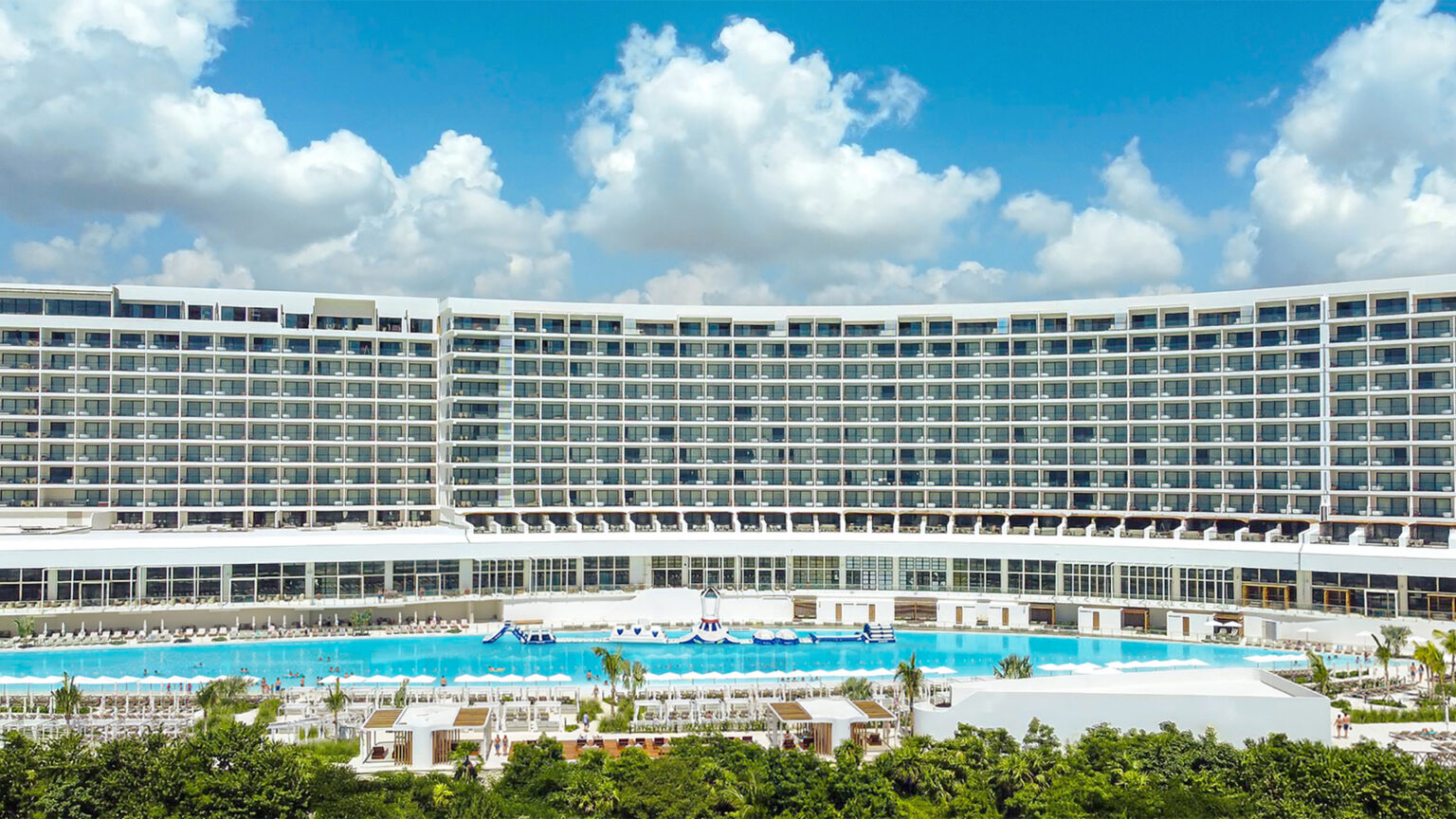
Medias24, a reputed business and finance media outlet in Morocco, has reported on Crystal Lagoons expansion in the region, announcing that the multinational innovation firm is currently in advanced negotiations in the country. The following is an extract from the interview with Francisco Matte, Regional Director for Crystal Lagoons.

Has Crystal Lagoons previously built man-made lagoons in Morocco?

Crystal Lagoons is in advanced conversations with investment funds, family offices and large real estate developers to finalize a master agreement to develop the new Crystal Lagoons® revolution, the Public Access Lagoons™ projects, also known as PAL™.

Master agreements involve a relevant number of PAL for different geographical territories. In Morocco, cities such as Marrakech, Casablanca, Rabat, Tangier, Fez and Saidia are some of the locations that we have identified where these projects could be developed.

Public Access Lagoons projects are the new corporate development by Crystal Lagoons that, after revolutionizing the real estate sector for 10 years, is now revolutionizing cities with PAL projects.

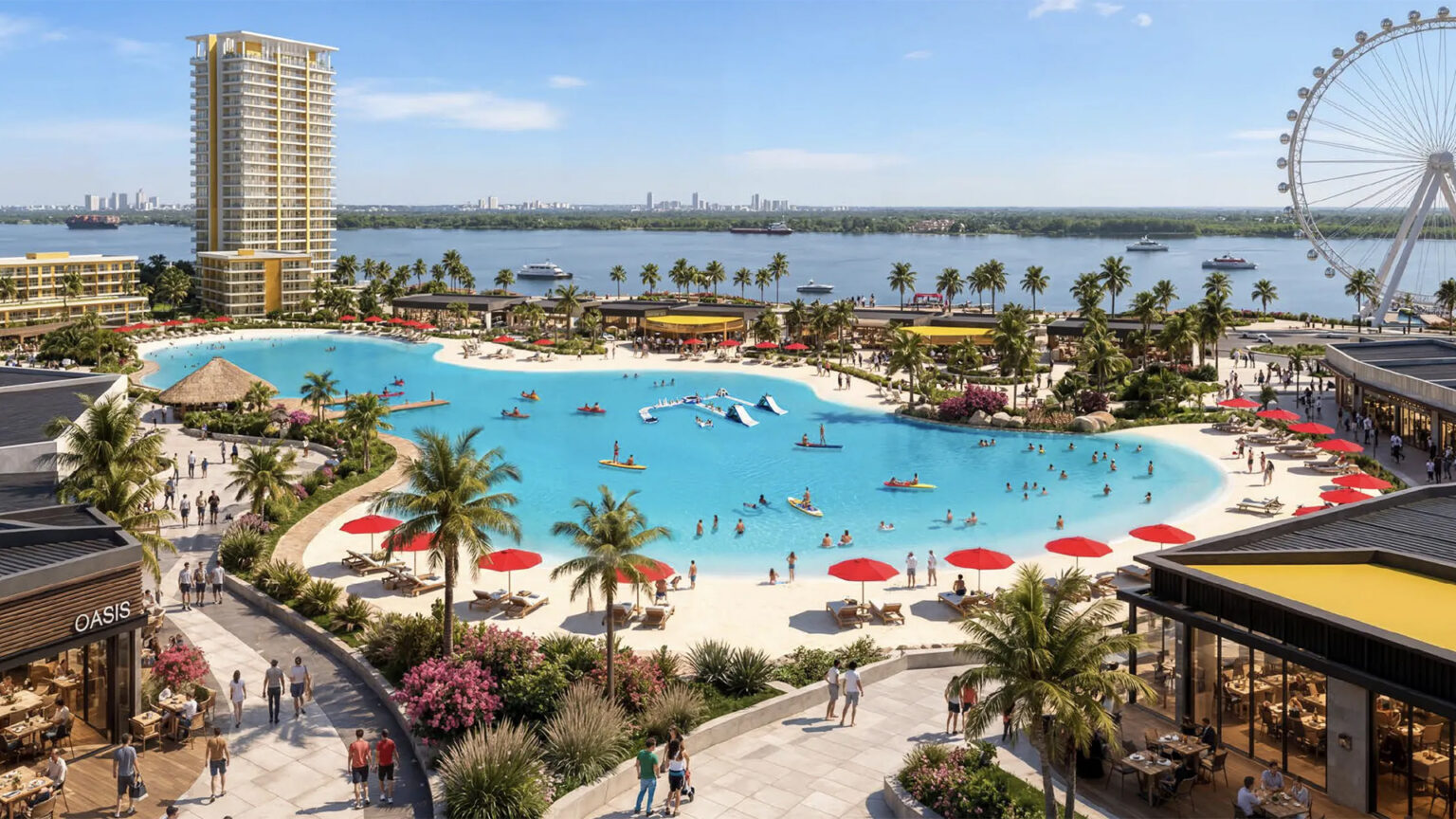
These are monumental crystalline lagoons suitable for swimming and water sports, surrounded by beaches, which can be accessed via ticketed-entry. Additionally, thanks to a new technology created by Crystal Lagoons, the bathing areas are maintained at 28°C, at a low cost and in a sustainable way, offering optimal conditions throughout the year, similar to tropical seas. This ensures the lagoons can be used for longer periods of time.

Also, as these projects are built, they generate a financial pyramid. With a low initial investment, a company can achieve a very high present value.

Additionally, we are negotiating various master agreements for PAL projects, in Botswana, South Africa, Ghana, Kenya, Nigeria, Angola and Egypt.

Where does Crystal Lagoons currently have projects in Africa?

In Africa, Crystal Lagoons totals 29 real estate projects anchored by crystalline lagoons. This includes projects in different stages of development.

The most important market is Egypt, with 22 projects in different stages. In fact, the largest crystalline lagoon in the world (12.5 hectares) is in the Egyptian resort of Sharm El Sheikh. Swan Lake North Coast 2 was recently inaugurated and in the coming months Bo Island, Fouka Bay, Azha and Porto Golf.

The second most important market is South Africa. There the partnership with real estate developers, Balwin Properties, has been one of the most fruitful business alliances in the country with five real estate projects in different stages. The most recent is Munyaka, an ultra-luxurious complex, close to Johannesburg, has been praised by the President of the Republic for its infrastructure and urban contribution. Renowned for its commercial performance, with 555 units sold at the launch of the project. The same trend has been registered in other real estate developments anchored by lagoons by Crystal Lagoons, including The Blyde in Pretoria, with record daily sales benefiting Balwin Properties’ global results.

Medias24.com

Outstanding news

  • From Orlando to Indonesia, some of the most innovative hospitality developments are incorporating crystalline lagoons as the centerpiece of their tourism offering. The Public Access Lagoons® business model shows how a water attraction can become a true revenue driver.

Let’s be clear: the days when a beautiful swimming pool was enough to impress guests are over. Today, travelers and families are looking for authentic experiences, spectacular photo opportunities, and places where they can spend the entire day. For those managing hotel portfolios, this creates a major challenge: how do you offer something unique without tying up capital in facilities that only add costs?

In this context, water attractions for hotels are taking on a more strategic role. The Public Access Lagoons® business model, also known as the PAL® business model, takes a different approach: turning a large turquoise lagoon with white-sand beaches into the heart of the hotel experience while also creating a platform capable of driving activity and generating revenue.

How Does the Public Access Lagoons® Business Model Work?

Crystal Lagoons® technology makes it possible to keep vast bodies of water in pristine condition while using minimal resources. For the hospitality industry, however, the major commercial innovation lies in the PAL® business model.

Rather than remaining a private space reserved exclusively for hotel guests, the PAL® concept allows areas of the lagoon to be opened to the general public through ticketed admission. In this way, the crystalline lagoon moves beyond being an operating cost and becomes an exclusive water attraction with a life of its own, serving as the centerpiece of the hotel development.

Depending on the development, a PAL® project can include:

  • Daily access through ticketed admission;
  • Memberships and beach clubs;
  • VIP beaches and exclusive areas for hotel guests;
  • Cabanas and premium spaces;
  • Kayaking, paddleboarding, and other water sports;
  • Restaurants, bars, and retail;
  • Concerts, weddings, and corporate events.

This creates recurring revenue streams for hotels without relying solely on room occupancy.

Success Stories Setting the Global Standard

The PAL® business model is already operating successfully across different markets around the world, including the following:

Treasure Bay Bintan in Indonesia is a strong example of this potential. The development is centered around a 14.9-acre lagoon powered by Crystal Lagoons® technology and combines public access with hospitality.

Two hospitality offerings operate around the lagoon: Natra Bintan, by Marriott, which focuses on premium glamping, and The ANMON Resort Bintan, which offers a younger, more entertainment-driven experience.

Restaurants, bars, wellness offerings, retail, and other activities round out the destination. The lagoon does not operate as a standalone feature; it shapes much of the overall guest experience.

Another standout example is Evermore Orlando Resort, a luxury resort located next to Walt Disney World. Its main attraction is Evermore Bay, a 7.78-acre crystalline lagoon powered by Crystal Lagoons® technology, surrounded by beaches, water activities, and a wide range of accommodations.

The lagoon has become the project’s key differentiator and an important experience driver for guests of all ages.

In San Antonio, Texas, the renovated Hyatt Regency Hill Country Resort and Villas introduced Big Spring Lagoon, a 2.1-acre crystalline lagoon surrounded by white-sand beaches, premium cabanas, and year-round recreational activities.

The lagoon was part of a transformation costing more than US$100 million designed to enhance the guest experience and strengthen the resort’s positioning.

The PAL® concept makes it possible to apply this approach through a hybrid model: protecting the hotel’s premium guest experience while creating controlled-access areas for other visitors.

Lagoon vs. Water Park for Hotels

The comparison between a lagoon and a water park for hotels goes beyond simply asking which one offers more activities.

A water park relies primarily on rides and built structures. A lagoon creates an entire landscape that can also be used for relaxing, practicing water sports, dining by the water, hosting events, or simply spending the day at the beach.

That broadens both the target audience and the commercial opportunities.

A Private Beach for Hotels, Even Far from the Coast

Not every destination has access to a prime coastline. That is where another key advantage of the PAL® business model comes into play.

The ability to create a private beach for hotels in inland locations allows operators to offer a beach resort-style experience without depending on specific geographic conditions.

For many developments, this represents a unique opportunity to stand out.

An Operation Designed for Large Bodies of Water

Crystal Lagoons® technology adds another key advantage for operators and water attraction providers: it uses only 2% of the energy required by conventional swimming pool filtration systems and up to 100 times fewer chemicals.

For hotel portfolios, this makes it possible to envision an exclusive water attraction on a scale that is difficult to achieve with a traditional swimming pool.

The PAL® business model takes the idea even further. The lagoon is no longer simply something guests look at from their rooms.

It becomes the place where the experience happens. And where the business happens, too.

Original content

  • Barranquilla is preparing for one of the most ambitious urban projects in its recent history. Kristal Mall will combine retail, hospitality, entertainment, and a crystalline lagoon powered by Crystal Lagoons® technology to create a new shopping resort concept along the Magdalena River.

Barranquilla continues to surprise. The city is once again turning toward the Magdalena River and has just taken a major step in its urban transformation. The next milestone will be Kristal Mall, a new shopping resort in Colombia that plans to transform a site of more than 100,000 m² facing the Gran Malecón into a destination for retail, hospitality, entertainment, and beach life.

The project, developed by Arquitectura y Concreto and YDN, was announced on September 30 by Mayor Alejandro Char. It will encompass nearly 150,000 m² of construction and represents an investment of more than US$309 million.

Its most distinctive feature will sit at the heart of the complex: an approximately 10,000 m² lagoon powered by Crystal Lagoons® technology in Barranquilla, complemented by a white-sand beach spanning between 4,000 and 5,000 m².

An Urban Beach Along the Magdalena River

If there is one feature set to capture everyone’s attention, it is the vast lagoon developed by the multinational water innovation company. It will operate under the Public Access Lagoons® business model, also known as PAL® model, which allows access through ticketed admission and turns the water body into a controlled-access attraction.

The concept changes the traditional logic of a shopping mall. Visitors won’t come just to shop. They will be able to spend much of the day enjoying the beach, dining, entertainment, and retail.

Kristal Mall will feature two commercial levels, more than 50,000 m² of leasable space, and around 300 stores. The project will also include a hotel, offices, parking, healthcare services, and entertainment areas.

It is the same “shopping resort” concept that Crystal Lagoons has advanced in Colombia through Kristal Mall in Cartagena, where a lagoon operating under the PAL® business model serves as the centerpiece of a concept that brings together retail, tourism, and entertainment.

The Gran Malecón as a Major Attraction

The location helps put the scale of the project into perspective.

Since opening in 2017, the Gran Malecón de Barranquilla has welcomed tens of millions of visitors. In December 2025 alone, it received more than 1.2 million people, setting a record for the period.

Kristal Mall aims to tap into that flow of visitors while adding another reason for people to spend more time in the area.

What Will Kristal Mall Include?

  • An approximately 10,000 m² turquoise lagoon.
  • A white-sand beach spanning between 4,000 and 5,000 m².
  • Ticketed access under the PAL® business model.
  • More than 50,000 m² of leasable retail space.
  • Around 300 stores.
  • A hotel, offices, and healthcare services.
  • Dining, cultural, and entertainment offerings.

The development has already reached around 30% commercialization, and construction is expected to begin within approximately eight months.

Barranquilla’s First PAL® Project

Kristal Mall will mark a milestone for the local market as the first development in Barranquilla to feature the PAL® business model.

Its arrival reflects a trend gaining momentum worldwide: the development of destinations where entertainment becomes a key driver of visitor traffic and where the visitor experience is just as important as the retail offering.

In this case, the lagoon won’t be a secondary amenity. It will be the centerpiece around which the entire development is organized, helping drive visitor traffic, longer stays, and greater economic activity throughout the project.

The Rise of the Shopping Resort Model

For years, shopping malls focused primarily on traditional retail. Today, the landscape has changed.

Consumers are looking for experiences, open spaces, dining, and activities that can turn a simple visit into a full-day outing. That’s why the shopping resort concept is gaining increasing relevance.

Kristal Mall reflects this evolution by bringing together, in one destination:

  • Retail: a broad mix of brands, services, and shopping experiences.
  • Tourism: a hotel and spaces designed for domestic and international visitors.
  • Entertainment: recreational activities centered around the crystalline lagoon and beach.
  • Dining: restaurants and concepts designed to make the most of views of both the river and the lagoon.

Technology for a New Generation of Commercial Destinations

The size of the lagoon doesn’t mean simply scaling up the operation of a conventional swimming pool.

Crystal Lagoons® technology uses only 2% of the energy required by conventional swimming pool filtration systems and up to 100 times fewer chemicals. It also operates through a closed-loop system, significantly reducing water consumption.

For a commercial development, the combination is compelling: a large-scale visual attraction, a distinctive experience that is difficult to replicate, and infrastructure capable of supporting dining, events, entertainment, and hospitality.

That is exactly what Kristal Mall is proposing.

It won’t simply be another shopping center along the river. The goal is to turn it into a destination where shopping is only one part of the experience.

Portafolio

  • As guests increasingly seek memorable experiences, hotel operators are turning to water attractions that can transform a resort into a destination in its own right. Lagoons powered by Crystal Lagoons® technology combine this strong visual and experiential appeal with efficient operation.

In hospitality, a swimming pool stopped being a true differentiator a long time ago. The challenge for hotels and resorts is now something else: to offer a memorable experience that becomes part of the property’s identity and gives guests more reasons to spend time within the resort.

That is where water attractions for hotels begin to play a much more strategic role.

Turquoise lagoons powered by Crystal Lagoons® technology take this concept to a whole new scale. Rather than concentrating the experience around a swimming pool, they make it possible to create true waterfront environments, with white-sand beaches and spaces that can integrate recreation, sports, dining, events and relaxation.

A Water Attraction That Can Become the Heart of the Resort

For a hotel operator, a great attraction goes beyond the water itself. It should activate other areas of the property and give guests different options throughout the day.

A lagoon can serve as a setting for:

  • Kayaking, paddleboarding and other water activities.
  • Beaches and relaxation areas with cabanas.
  • Restaurants, bars and food and beverage services.
  • Corporate events, celebrations and weddings.
  • Family activities and water-based entertainment for guests.

A recent example is Big Spring Lagoon at Hyatt Regency Hill Country Resort & Villas in Texas. The hotel integrates a lagoon powered by Crystal Lagoons® technology with white-sand beaches, private cabanas and water sports available year-round. A new food and beverage venue also operates alongside the lagoon, together with a space for weddings and events.

The difference is significant: the water is no longer just a complementary amenity; it becomes a central element shaping much of the guest experience.

Less Energy and Fewer Chemicals Than a Conventional Swimming Pool

Visual impact matters, but when it comes to day-to-day operations, the numbers matter too.

Crystal Lagoons® patented technology uses only 2% of the energy required by conventional swimming pool filtration systems and up to 100 times fewer chemicals. The lagoons operate in a closed circuit and, once filled, only require replacement of the water lost mainly through evaporation.

For resorts and hotels, this makes it possible to consider much larger bodies of water without simply applying the operational model of a traditional swimming pool on a larger scale.

There are other relevant advantages as well. The technology can use fresh, salt or brackish water, making it easier to adapt to the conditions of different destinations. These lagoons also use up to 33 times less water than an 18-hole golf course and 40% less water than a park or green area of the same size.

Water Park, Swimming Pool or Lagoon?

Those evaluating water park design for hotels and resorts often need to balance entertainment capacity, available space, operational requirements and the identity of the property.

A lagoon offers a distinct alternative. It is not designed to replicate a water park filled with structures or simply create a larger swimming pool. Its value lies in creating a distinctive landscape where relaxation and activity can coexist in the same setting.

This makes it possible to appeal to very different types of guests: families with children, couples, guests looking for relaxation, corporate groups or travelers interested in sports and recreational activities.

What to Look for When Comparing Water Attraction Providers

When comparing water attraction providers, upfront cost is only one part of the decision. For a hotel or resort, it is also important to evaluate:

  • Energy, water and chemical consumption.
  • Ability to integrate complementary activities and services.
  • Flexibility across different project sizes and types.
  • Potential to create premium guest experiences.
  • Visual impact and the ability to become an icon of the destination.

In this context, lagoons powered by Crystal Lagoons® technology offer something uncommon: aquatic infrastructure that serves simultaneously as an amenity, a landscape feature, an entertainment space and a platform for additional hospitality services.

A Competitive Advantage for Resorts and Hotels

Turquoise lagoons do more than enhance the guest experience. They also strengthen the value proposition of the real estate and hospitality asset.

For many investors and operators, having a crystalline lagoon means adding a distinctive feature that can be difficult for competing properties to match.

Key benefits include:

  • Differentiation from competitors.
  • Greater appeal to both domestic and international markets.
  • Stronger brand positioning.
  • Potential to expand the range of recreational activities.
  • Creation of multifunctional spaces for different guest segments.

A New Way to Think About Water Attractions for Hotels

For hotel portfolios looking to stand out in 2026, the question is no longer simply about offering more amenities.

It is about choosing amenities that can transform the overall perception of a property.

A turquoise lagoon can do exactly that: turn the aquatic area into one of the main reasons to choose the hotel, spend more time on the property and enjoy more of the destination.

Original content