Crystal Lagoons Project Advances in Seville, Europe

A new Public Access Lagoons® project, also known as PAL®, and a hospitality development are advancing in Europe, specifically in Seville. It is a new Central District Lagoon City complex, which Crystal Lagoons is developing in partnership with Forty Management, an award-winning Romanian real estate developer.

The project will feature a stunning 1.49-hectare lagoon powered by Crystal Lagoons® technology as its centerpiece, surrounded by white sand beaches. Around it, the development will include:

  • A 200-room luxury hotel
  • Three aparthotel towers
  • An event center
  • International restaurants
  • A Sky Bar
  • A promenade and bespoke services will complement the lagoon, epitomizing the quintessential PAL™ experience.

Thanks to its turquoise-colored body of water, it will be a transformative development spanning 12 hectares that will offer a unique lifestyle destination. This project will revolutionize local tourism in Seville and enhance visitors’ stay in the city.

“The partnership with Forty Management has been very successful, demonstrating the added value of Crystal Lagoons® technology and how this disruptive innovation makes it possible to bring sustainable beach living anywhere in the world,” explains Jean Pierre Juanchich, Global Business Director of Crystal Lagoons.

Contribution to the area

With over 100 million euros in investment and creating more than 600 jobs, this project highlights the growing demand for sustainable and recreational projects worldwide.

Crystal Lagoons and Forty Management Partnership

The complex is part of the master agreement—exclusivity agreement for developing PAL®, real estate, and hybrid projects within a specific territory—that both companies signed to bring beach life through stunning crystalline lagoons to Rome, Milan, Toulouse, two Romanian cities, and Seville.

The complex is part of the master agreement—exclusivity agreement for developing PAL®, real estate, and hybrid projects within a specific territory—that both companies signed to bring beach life through stunning crystalline lagoons to Rome, Milan, Toulouse, two Romanian cities, and Seville.

The two companies also have another mega-contract to develop projects in Romania, the Czech Republic, Poland, and Hungary. Among the standout developments in this agreement is Lagoon Park Bucharest, a PAL® complex that sold out a week before launch and has been successful since it opened.

The project in Seville is also proof of the success of Crystal Lagoons in the hospitality industry, where numerous global hotel chains such as Marriott, Radisson, Conrad, Hyatt Regency, and AVA Resort, have recognized the transformative value of Crystal Lagoons® technology, incorporating this amenity as a centerpiece in their developments.

Outstanding news

  • Treasure Bay Bintan placed water at the heart of its concept: a lagoon powered by Crystal Lagoons® technology that brings together hotels, glamping, water sports, and ticketed access in one of the most iconic examples of the Public Access Lagoons® model.

At the Treasure Bay Bintan project, the crystalline lagoon is not simply a decorative feature. It is the reason to visit.

Located on Bintan Island, Indonesia, the project is centered around a 16-acre crystalline lagoon powered by Crystal Lagoons® technology, recognized as the largest man-made seawater lagoon in Southeast Asia. Its turquoise waters create an expansive setting for swimming, family fun, and water sports.

Scale matters. The lagoon became the main attraction of a US$3 billion tourism destination that has been operating since 2015. Rather than developing a conventional swimming pool as an add-on to a resort, Treasure Bay made the water experience the centerpiece of its concept.

The commercial impact of the Public Access Lagoons® model
How can an amenity be transformed into a direct source of operating revenue? The key was implementing the Public Access Lagoons® model, also known as the PAL® model.

Under the Chill Cove commercial concept, the lagoon offers daily access to non-guest visitors through ticket sales, while also serving resort guests. This creates a constant flow of activity:

  • Steadily growing visitor traffic: The result is a consistent source of demand that drives the project’s commercial performance. In 2025, Treasure Bay welcomed 315,459 visitors, an increase of nearly 22% compared with the previous year. Around 350,000 visitors are projected for 2026. 
  • Accelerated profitability and diversified revenue streams: The financial results support this model. The complex’s revenue tripled during its first two years of operation after opening to the public and reached US$5.65 million in 2025, generated by hospitality, ticket sales, activities, and food and beverage. Around 28% of revenue comes directly from tickets and lagoon-related activities.

For a real estate developer, the takeaway is powerful: the asset no longer depends solely on people who purchase a property or book a room. PAL® projects can monetize access, activities, commercial spaces, and other services surrounding the lagoon.

Hospitality and luxury glamping: The multiplier effect on rates

The value of the lagoon directly impacts the surrounding hospitality infrastructure. Treasure Bay Bintan is home to two high-end accommodations: Natra Bintan (Marriott International’s first glamping experience, featuring 100 safari-style tents) and Anmon (a desert-themed glamping resort owned by The Hip And Happening Group Holdings).

The data reveal a compelling competitive advantage for real estate developers:

  • The presence of the lagoon increases nightly rates by 300% to 500% compared with traditional glamping properties in the area that do not offer water amenities. 
  • This increase in value makes it possible to command significantly higher room rates than local competitors and even glamping options in higher-cost markets such as Singapore.

A success story for real estate developers

Treasure Bay Bintan demonstrates how an iconic amenity can become the economic engine of an entire development. The combination of a Crystal Lagoons® amenity, the PAL® model, a differentiated hospitality offering, and sustainable operations has helped attract hundreds of thousands of visitors each year, increase asset value, and position the project as one of Indonesia’s most recognized family destinations.

For real estate developers, the project offers a clear lesson: when an amenity generates demand of its own, creates new revenue streams, and increases the destination’s appeal, it becomes a competitive advantage that is difficult to replicate.

Original content

  • The lagoon powered by Crystal Lagoons® technology transformed the tourism offering in Orlando, the most visited destination in the U.S., and positioned Evermore as a benchmark for hospitality developers around the world.

Orlando has theme parks, dining, golf, and an entertainment offering that is difficult to match. What it lacked was a major beach experience within the city.

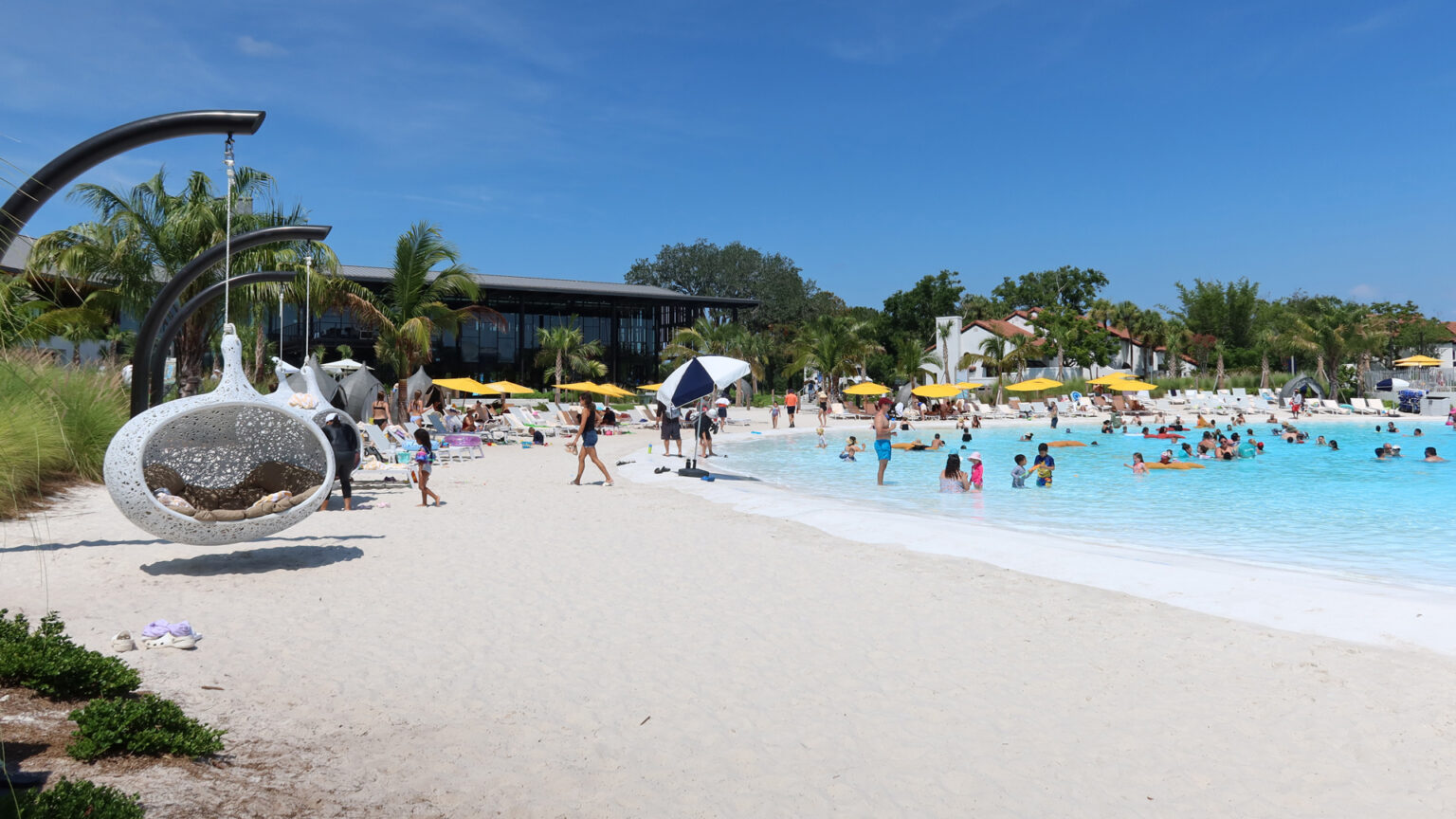
Evermore Orlando Resort decided to change that reality. It transformed part of a former golf course into a 7.8-acre turquoise oasis powered by Crystal Lagoons® technology, bringing an idyllic beach experience to a place where none had existed before.

The result is not just a visually stunning environment. It is a business model that combines luxury with a relaxed lifestyle, positioning itself as a benchmark in the most competitive tourism market in the United States.

A turning point for Orlando tourism

Evermore Bay was built on part of a former golf course, transforming an underutilized piece of land into a vibrant waterfront attraction. Its white-sand beaches and calm waters offer an alternative to coastal trips, without waves, currents, or long-distance travel.

The concept reaches a massive market. Orlando welcomed 75.3 million visitors in 2024 and remained the most visited destination in the United States.

For these travelers, the lagoon offers something new:

  • White-sand beaches just minutes from the theme parks.
  • Swimming, kayaking, and paddleboarding.
  • Cabanas, restaurants, and waterfront bars.
  • Venues for weddings, meetings, and corporate events.
  • A resort experience designed for families and groups.

Why does this amenity transform the project’s profitability?

For a real estate developer, aesthetics are key, but the numbers are what ultimately matter. The experience at Evermore demonstrates that the beach concept directly drives commercial performance:

  • Longer stays: What was once envisioned as a one-day break between theme park visits has become the centerpiece of the trip. Guests stay longer at the resort and spend more at its facilities.
  • New revenue streams: With more than 150,000 square feet of event space, the lagoon serves as a setting for weddings and business meetings. It also features 12 dining options, water activities, and world-class golf courses.
  • International recognition: The project has received awards from Condé Nast Traveler, USA Today, and Meetings Today, validating the value of innovation in the guest experience.
  • Guests themselves describe the experience as a Caribbean getaway in the heart of Orlando. They say they chose the resort because of the lagoon and value being able to see the bottom, swim in calm waters, and wake up to an expansive blue view.

A model that diversifies revenue streams

Evermore was designed as a comprehensive tourism ecosystem. Its current phase features nearly 1,500 rooms across vacation homes, villas, apartments, and the exclusive Conrad Orlando. Meanwhile, the master plan includes more than 10,000 rooms across the full development surrounding the lagoon.

The project generates revenue through:

  • Hotel accommodations and vacation residences.
  • Twelve dining venues.
  • Water and recreational activities.
  • Events, weddings, and corporate gatherings.
  • Two golf courses.
  • Cabanas and premium waterfront experiences.

For a developer, this point is key: the lagoon does not function merely as a visual feature. It acts as the centerpiece of the project, extends guest stays, and connects different business units.

Awards that support its value proposition

Evermore Orlando Resort was recognized by USA Today 10Best as one of the best new hotels in the country and received a Best of Meetings Today Award for its contributions to Orlando’s recreational and corporate offerings.

In 2025, Condé Nast Traveler also named it one of Orlando’s best resorts, highlighting its beach experience, dining, golf, and accommodations for groups.

A benchmark for the hospitality industry

Evermore Orlando Resort demonstrates how a lagoon powered by Crystal Lagoons® technology can transform the positioning of a hospitality development.

It goes beyond simply adding an amenity. It creates a reason to choose the project, stay longer, and spend more within it. That effect redefines hospitality standards and strengthens the presence of Crystal Lagoons in an industry seeking memorable experiences, differentiation, and new sources of profitability.

Orlando already had entertainment. Evermore gave it a beach.

Original content

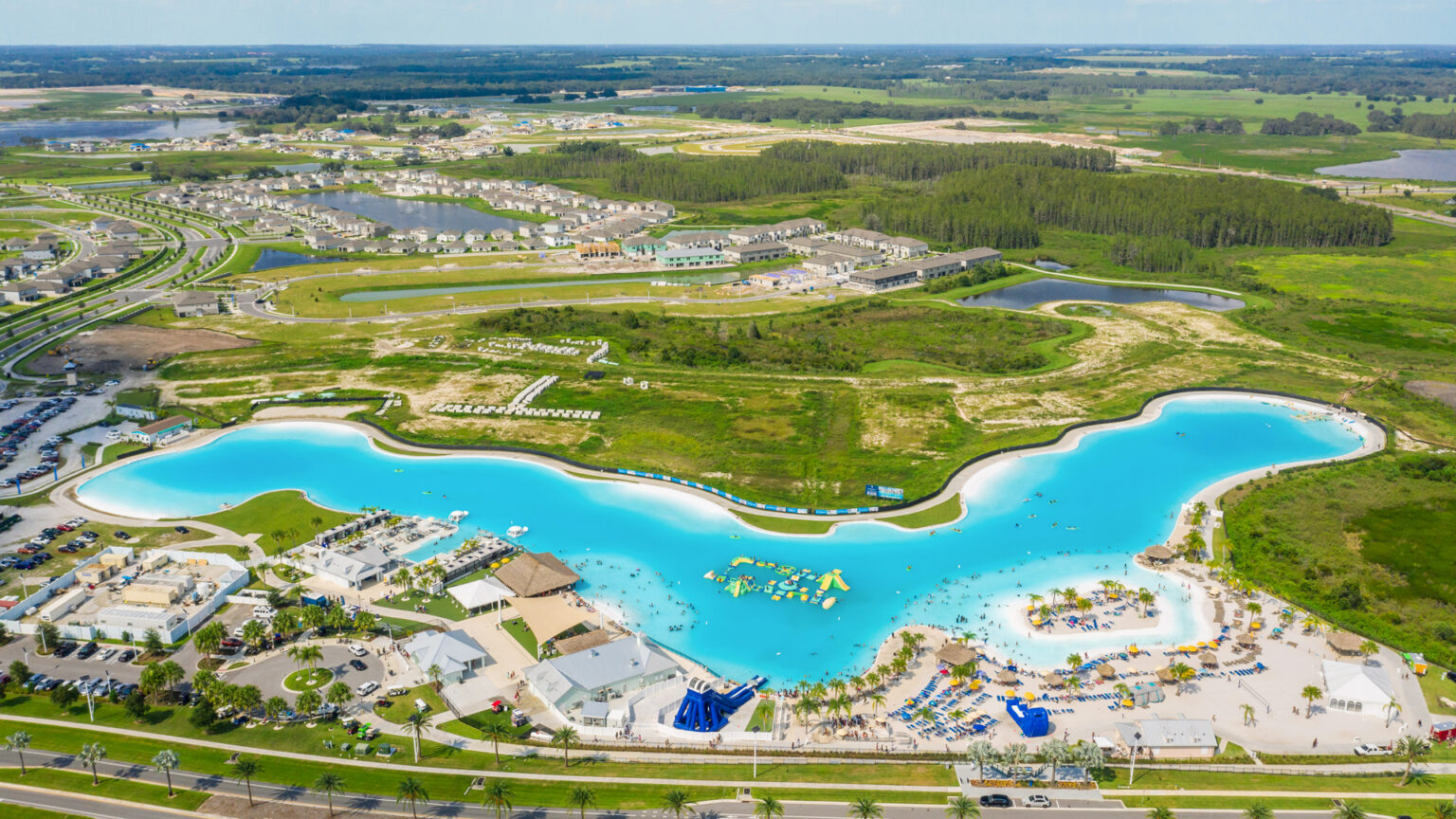
  • The Epperson project redefined the concept of master-planned communities in the United States. The combination of Crystal Lagoons® technology and the PAL® model transformed a residential development into an entertainment destination capable of driving real estate demand and generating new revenue streams.

Imagine building a residential development on an inland site, far from the coast, and getting people to pay an entrance fee to visit the very place where you are selling homes.

It sounds almost too good to be true. Yet that is exactly what Crystal Lagoons achieved in partnership with Metro Development Group in Wesley Chapel, Florida, through its Epperson project.

Opened in 2018 with an impressive 7.5-acre crystalline lagoon powered by Crystal Lagoons® technology, the initial plan was traditional: an exclusive space for residents. But the visual impact and demand were so massive that the team made a bold decision.

They decided to transform part of the operation toward the Public Access Lagoons® model, also known as the PAL® model. They opened the lagoon to the general public for an entrance fee, and the result exceeded all expectations.

The strategic shift: More value per square foot and accelerated sales

Opening a residential space to the general public might sound contradictory to some developers. Think about it for a second: would it affect the neighborhood’s exclusivity? At Epperson, the exact opposite happened.

Opening the project under the PAL® format worked as a living commercial showcase. Thousands of visitors paid for a ticket to spend the day at a Caribbean-style beach just 35 minutes from Tampa, and while they enjoyed the water, they discovered the real estate project organically.

The data confirms it:

  • Price increase: Homes sold at a 21% higher price compared to direct competitors in the area.
  • Sales velocity: The pace of home sales rose 57% above market averages.
  • Customer acquisition: The daily flow of visitors dramatically reduced the cost of acquiring potential buyers.

Numbers that speak for themselves: US$3.4 million in a single season

The success in home sales and recognition in real estate rankings was only half the story. The other half lies in the profitability generated by the water infrastructure itself.

Through a ticketing model that varies by season, age, and time of day, the lagoon became a coastal lifestyle park. Even during a challenging year like 2020, operating at 40% capacity due to health restrictions (800 people allowed at the same time), the project recorded impressive figures:

  • Massive attendance: Nearly 91,695 visitors during the season.
  • Direct revenue: Revenue was estimated at around US$3.4 million from ticket sales, water activities, and rentals alone.

The public was not only paying for admission. The recreational offering expanded to include kayak and paddleboard rentals, inflatable obstacle courses, and premium spaces such as private cabanas, VIP areas (known as Aquabanas), and Tiki-style areas that can rent for more than US$300 per day during peak season.

Today, the destination includes a swim-up bar, merchandise shops, food trucks, and expanding restaurant offerings. A complete commercial ecosystem that generates continuous cash flow.

The “lagoon effect” in sales and rankings

Epperson’s commercial strength is also reflected in industry rankings.

Over the years, the community has been recognized among the top-selling residential developments in Florida and the United States. In 2023, it ranked No. 36 among the country’s top-selling master-planned communities, according to RCLCO, while in previous years it also ranked among the state’s highest-performing communities.

This positioning confirms a trend that developers are watching with increasing attention: buyers value experiences and lifestyles that cannot be easily replicated through traditional amenities.

Why are real estate developers looking at this case?

Epperson’s business model demonstrated something key for the industry: amenities no longer have to be a cost center funded only through residents’ HOA fees.

By incorporating Crystal Lagoons® technology and enabling controlled public access, real estate developers gain three clear advantages:

  1. Monetization from day one: The lagoon generates independent operating revenue while the real estate project is being built and sold.
  2. Brand positioning and prestige: The project enters and consolidates its position among the top spots in the most important national and international sales rankings (RCLCO and John Burns), attracting highly qualified buyers and investors.
  3. Land flexibility: It makes it possible to bring beach life to lower-cost inland sites that do not have access to the ocean.

Epperson showed that the future of the real estate industry is not only about building homes, but about creating destinations people want to return to again and again.

Original content.