Over 1,800 Articles Worldwide Highlight the Expansion of PAL™ projects in iconic European cities

The expansion of Public Access Lagoons™ projects, known as PAL™, to iconic European cities such as Rome, Milan, Toulouse, and Seville has garnered significant interest in the international press. 

Just days after the announcement, over 1,800 articles have been published worldwide, spotlighting the agreement between Crystal Lagoons, founded by scientist Fernando Fischmann, and Forty Management. This contract will bring the idyllic beach life to these Mediterranean cities and two Romanian cities. The news was covered by multiple media outlets, including Yahoo! Finance, Europa Press, FOX, NBC, CBS, ABC, and Associated Press, among others.

These new projects strengthen the innovation multinational company’s presence in other emblematic cities of the old continent, such as Prague, Warsaw, Bucharest, and Budapest. Thus, with this new agreement, the company is expanding to Italy and France and adding projects in Spain and Romania, where it already has successful complexes such as Santa Rosalía, Alcazaba Lagoon, and Central District Lagoon City.

The sustainability of Crystal Lagoons® technology was once again a determining factor for this agreement, the second with Forty Management, a prestigious and award-winning Romanian property developer with which the multinational has complexes in the Czech Republic, Poland, Romania, and Hungary, characterized by their sustainability.

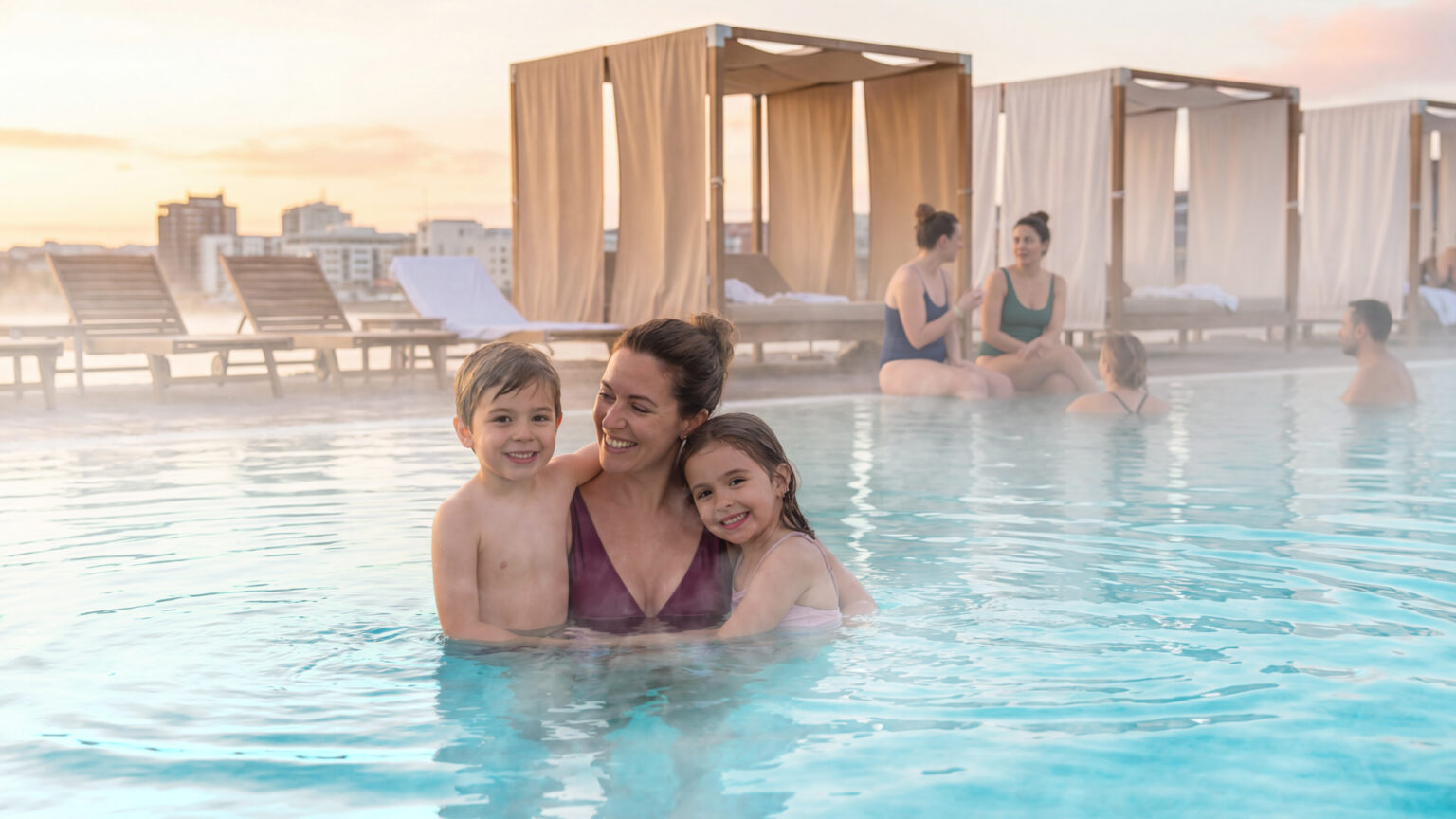
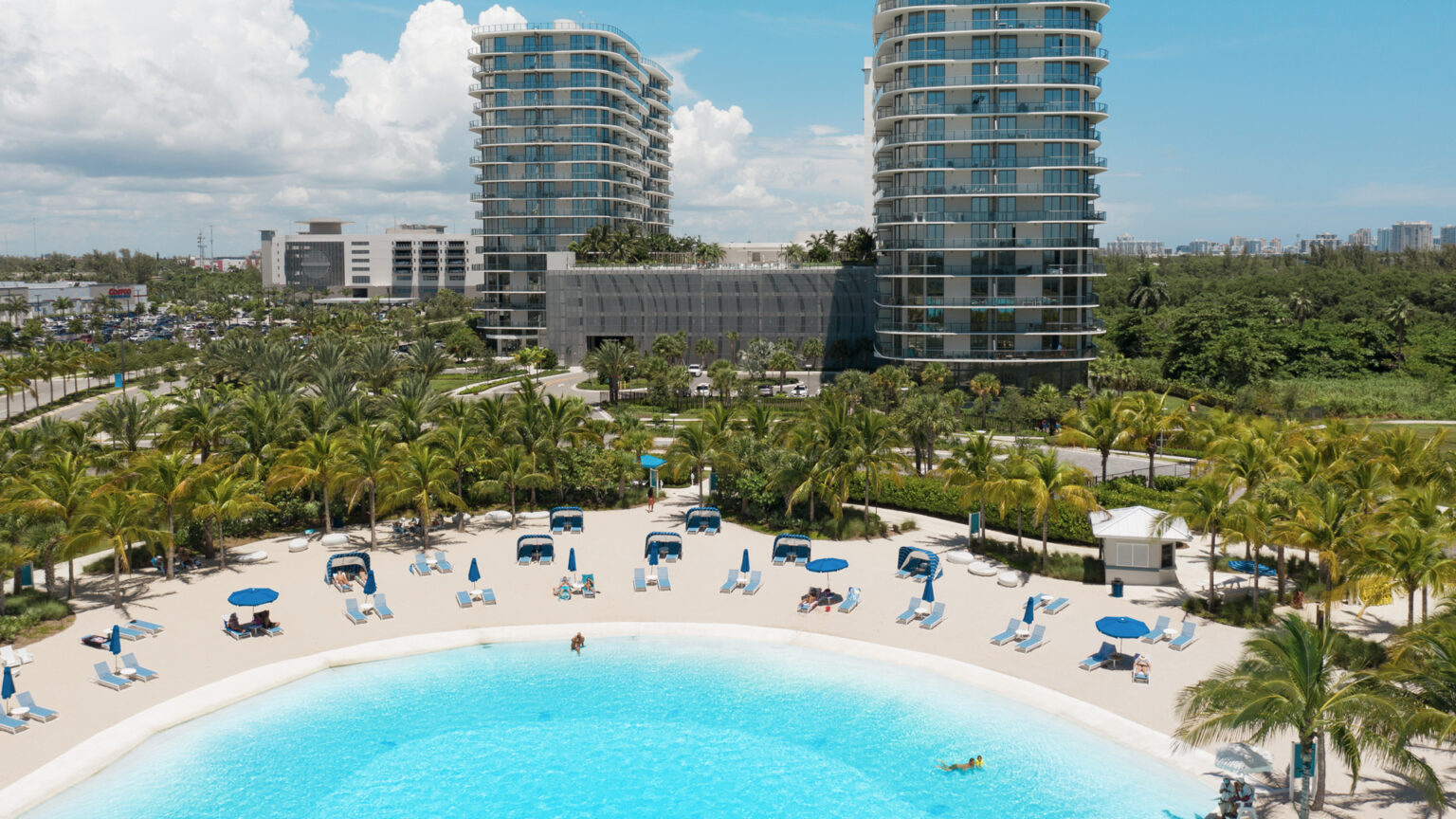
The introduction of PAL™ projects into touristic and landmark cities like Rome and Milan demonstrates their added value and the appeal of bringing an idyllic beach life steps from homes. The central piece will be a large crystalline lagoon suitable for swimming and water sports, surrounded by white sandy beaches, which anyone can access for an entrance fee. Residential areas, hotels, stores, restaurants, and other high-end commercial and entertainment infrastructure will surround the complex.

“We are delighted that Crystal Lagoons, one of the world’s most innovative companies, has chosen Forty Management to expand into Europe. In partnership, we will bring beach life to the most amazing European cities and improve the quality of life through sustainable projects,” said Lucian Azoiței, CEO of Forty Management.

“The disruptive innovation of Crystal Lagoons® technology, which allows bringing beach life in a sustainable way to any place in the world, is what generates the success of these crystalline lagoons. This has been recognized by avant-garde developers like Forty Management who, after confirming the trend in their first complex, repeat the model to develop new projects, even in cities that would be unthinkable like Rome, Milan or Toulouse,” said Jean Pierre Juanchich, Global Business Director of Crystal Lagoons.

Outstanding news

  • The hospitality industry is increasingly competitive, demanding amenities that create unique experiences. Small Lagoons by Crystal Lagoons™ offers a new way to stand out, attract guests, and maximize a development’s potential.

For decades, a swimming pool has been almost a must-have for hotels and resorts. But the market has changed. Today, having a pool doesn’t necessarily set a property apart. Guests are looking for spaces that surprise them, offer different ways to enjoy their stay and, of course, make them want to take photos and share the experience.

That’s where a new alternative for the hospitality industry comes in: compact lagoon amenities.

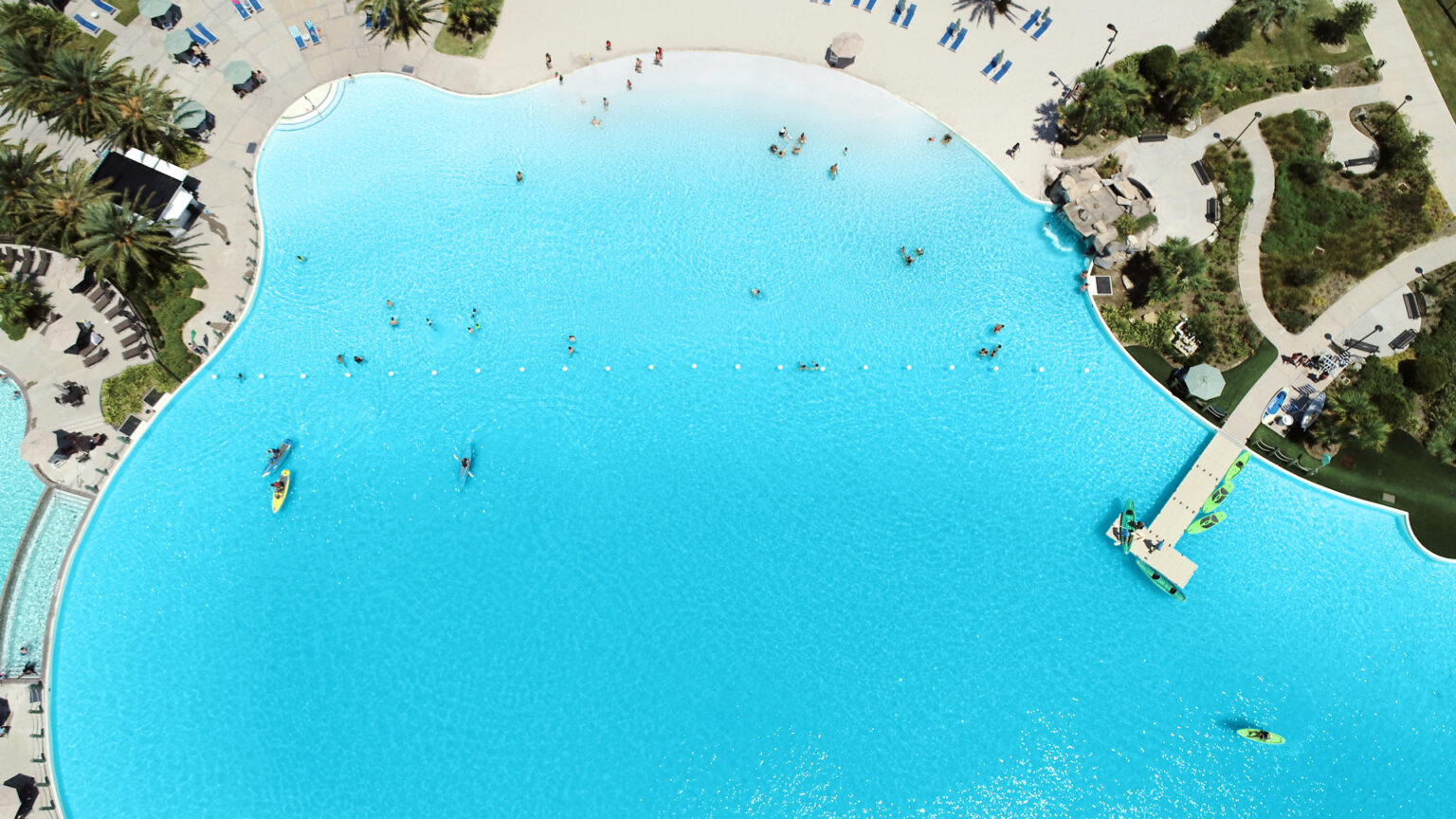
Small Lagoons by Crystal Lagoons™ brings the appeal of a turquoise-water lagoon and white-sand beaches to spaces ranging from 500 m²/ 5,400 sq ft to 4,000 m²/ 1 acre. Designed for real estate and hospitality developments, the concept makes it possible to create a beach-style experience even where space is limited.

From a Pool to an In-Hotel Destination

The visual impact is immediate. Resort pools tend to follow a familiar formula. A lagoon creates something entirely different, transforming the space into a destination in its own right.

The combination of turquoise waters, white-sand beaches, and inviting areas to relax and unwind creates an atmosphere that feels more like a vacation destination than a traditional hotel amenity. That makes a real difference in hospitality, where guests often form their first impression long before check-in—through a photo on a hotel website, booking platform, or social media.

For a developer, the result is an asset that’s not just for swimming. It can become a defining feature of the property and one of its most compelling selling points.

Small Lagoons by Crystal Lagoons™ was created with this goal in mind: to help projects stand out and boost sales and occupancy by offering an experience centered around turquoise waters, white-sand beaches, and the beach lifestyle.

What Does the Guest Experience?

  • A greater sense of space.
  • The feeling of being at a beach destination.
  • Areas designed for different groups and ages.
  • More memorable, shareable experiences.

More Experiences in Compact Water Spaces

One of the main advantages over traditional swimming pools is the range of experiences that can be created in and around the water.

These smaller-scale lagoons from the multinational water innovation company combine white-sand beaches, relaxation areas such as the Lagoon Lounge, recreational spaces, and water sports. This allows a single amenity to appeal to different types of guests and offer different experiences throughout the day. The technical materials of Crystal Lagoons highlight this distinction compared with commercial swimming pools, which are primarily designed for swimming.

For hotels and resorts, this opens up new possibilities: turning limited space into a place where guests want to spend more time, rather than simply taking a swim and moving on.

A Different Approach to Costs

The appeal of compact man-made lagoons goes beyond aesthetics.

Small Lagoons by Crystal Lagoons™ uses a liner system that eliminates the need for the periodic repainting often required by commercial swimming pools. Its ultrasonic flocculation technology also eliminates the need for large centralized filtration systems and the mechanical rooms they require.

For hospitality developers, the difference is particularly significant in three key areas:

  • Lower construction costs: A Small Lagoons by Crystal Lagoons™ project can be significantly less expensive to build than a commercial swimming pool of the same size.
  • Lower maintenance costs: Maintenance expenses can be as little as one-third of those associated with a traditional commercial pool.
  • Lower hydraulic equipment replacement costs: The system helps reduce one of the significant recurring expenses associated with conventional swimming pools.

There are also broader benefits for hospitality developers:

  • Stronger differentiation from competing properties.
  • Greater appeal to potential guests.
  • Higher perceived value for the development.
  • More opportunities to strengthen marketing and sales strategies.
  • A distinctive visual centerpiece that can become an icon for the property.

The New Standard in Recreational Amenities

The hospitality industry is constantly evolving to meet the expectations of increasingly discerning travelers. In this environment, recreational amenities need to offer much more than basic functionality.

Small Lagoons by Crystal Lagoons™ represents a new generation of water attractions: spaces designed to create memorable experiences, strengthen a project’s value proposition, and turn an amenity into a strategic asset.

For hospitality developers looking to stand out, attract more guests, and make their properties more appealing, the question is no longer whether a compact lagoon can replace a swimming pool. The real question is how much added value it can generate.

Original Content

  • A water attraction can go from being just another amenity to becoming the hotel’s signature feature. The key is choosing a solution designed to operate efficiently, stand out, and grow.

In hospitality, a water attraction can be much more than just a recreational space. When chosen well, it can become the signature feature of the resort, enhance the guest experience, and provide a clear reason to choose one property over another. The industry recognizes that distinctive amenities play an important role in differentiation, guest satisfaction, and the ability to attract visitors.

That’s why, when evaluating water attractions for hotels, the question shouldn’t be limited to how much they cost or how many square feet they occupy. The real challenge is finding a solution that works from a design, day-to-day operations, and commercial positioning standpoint. This is where Crystal Lagoons® technology truly stands out.

Six Key Factors When Choosing Water Attractions for Hotels

1. Make the Attraction Part of the Resort Concept

The best hotel water park design doesn’t start by choosing equipment from a catalog. It starts by understanding the experience the hotel wants to create.

Is it a family resort? Is it focused on luxury? Wellness? Longer stays? A beach experience far from the coast?

Signature water attractions create more value when they are integrated from the outset into the master plan, architecture, landscaping, restaurants, and guest rooms.

A good example is AVA Resort Cancún, in Mexico. Its 2.9-acre lagoon powered by Crystal Lagoons® technology sits at the heart of a 1,622-room resort and allows guests to swim, sail, kayak, and paddleboard. The hotel itself presents AVA Bay as one of the central elements of the guest experience.

2. Look at Operations, Not Just Visual Impact

A water attraction may look spectacular in a rendering but later become difficult and costly to operate.

Before choosing among water entertainment providers, it’s important to evaluate energy consumption, water treatment, chemical use, maintenance, staffing requirements, and monitoring systems.

For example, Crystal Lagoons® technology allows its lagoons to use up to 50 times less energy and 100 times fewer chemicals than a traditional swimming pool. They operate in a closed-loop system and only require replacing the water lost mainly through evaporation.

3. Require Water Quality Control and Continuous Monitoring

In water attractions for hotel developments, safety and operations go hand in hand.

The provider should clearly explain how water quality is controlled, which processes are automated, how deviations are detected, and how the system adapts to local regulations.

The crystalline lagoons feature sensors, dosing systems, and telemetry monitoring connected to the Crystal Lagoons Control Center, which remotely supervises water quality parameters and hydraulic systems.

4. Look for an Experience That Generates Activities

A large body of water should be actively enjoyed.

Swimming, kayaking, paddleboarding, boating, aquatic circuits, beaches, cabanas, events, and food and beverage offerings allow the amenity to serve different purposes throughout the day and appeal to different guest profiles.

At Hyatt Regency Hill Country in Texas, the 2.2-acre lagoon includes beaches, private cabanas, water sports, and a new food and beverage offering.

5. Measure How Much It Truly Differentiates the Hotel

Water features for hotels can add to the entertainment value. A signature attraction should do more: it should make the property instantly recognizable.

Evermore Orlando Resort, for example, built part of its concept around an 8-acre crystalline lagoon, integrated into a US$1.5 billion development that includes vacation homes and a 433-room Conrad hotel.

The distinction matters. It’s not just about adding another amenity, but about creating a defining image that becomes directly associated with the destination.

6. Choose a Solution That Can Grow with the Business

A resort evolves. So do its guests and its opportunities to generate new revenue. That’s why a strong water attraction should allow the property to add new experiences, dining options, events, and sports, or adapt to future phases of the development.

The Public Access Lagoons® model, also known as the PAL® model, takes this approach even further by transforming the lagoon into a destination open to outside visitors as well, generating revenue through admission fees, activities, food and beverage, and events. This makes it possible to expand the development’s audience and create new revenue streams around the water.

Treasure Bay Bintan, in Indonesia, is a good example: its lagoon became the centerpiece of a concept that combines hotels, glamping, water sports, and paid access, extending the project’s appeal far beyond its hotel guests.

From Amenity to Destination

When evaluating water attractions for hotels, the deciding question should be simple: does this investment merely add another activity, or does it change the way guests perceive the resort?

Crystalline lagoons make it possible to bring a beach experience to hospitality projects in a wide range of settings and turn water into a focal point for gathering, recreation, and differentiation.

For hotel developers, that’s the opportunity: to create an amenity that isn’t just an addition to the project, but one of the main reasons to visit it.

Original content

  • Projects by the multinational innovation company once again ranked among the 50 best-selling master-planned communities in the United States, according to RCLCO. The result confirms a trend that repeats year after year: developments anchored by crystalline lagoons stand out for their ability to accelerate sales and increase the appeal of real estate projects.

The Sunterra project in Texas and Mirada in Florida, both anchored by a lagoon powered by Crystal Lagoons® technology, were once again recognized among the 50 best-selling master-planned communities in the United States, according to the 2026 midyear edition of the prestigious ranking prepared by RCLCO Real Estate Advisors, one of the country’s most influential real estate consulting firms. In this edition, Sunterra ranked No. 10, while Mirada placed No. 50.

Beyond this year’s rankings, the more relevant point is this: Crystal Lagoons projects appear consistently in the rankings, reflecting the impact that crystalline lagoons have on sales velocity, property appreciation, and the differentiation of residential developments.

From real estate rankings to a sustained trend

In 2025, Sunterra ranked No. 5 nationwide with 1,024 homes sold, Mirada reached No. 14 with 650 sales, and Lago Mar placed No. 47 with 380.

The story goes back even further. Epperson, Lago Mar, Balmoral, Sierra Vista, Windsong Ranch, Mirada and Sunterra, among others, have appeared in different editions of the RCLCO rankings.

In 2023, for example, five projects associated with Crystal Lagoons ranked among the country’s 50 best-selling communities: Sunterra, Sierra Vista, and Windsong Ranch in Texas, along with Mirada and Epperson in Florida.

Epperson reached No. 27 in RCLCO’s 2021 midyear ranking with 342 sales; Sierra Vista ranked No. 20 that same year, while Balmoral placed No. 12 and Lago Mar No. 36.

For developers, there is one signal that is hard to ignore: crystalline lagoons work as a sales driver across different types of projects.

Sunterra and Mirada: beach life as a reason to buy

Sunterra, developed in Katy by Land Tejas and Starwood Land, is centered around a 4-acre lagoon powered by Crystal Lagoons® technology, surrounded by white-sand beaches. The community was already recording record sales before the amenity opened in 2025, showing how the promise of a beach lifestyle can become a compelling sales proposition even in the early stages of a development.

Mirada, developed by Metro Development Group, takes that concept to another scale. Its 14.9-acre lagoon is the largest of its kind in the United States and offers kayaking, paddleboarding, beaches, relaxation areas, and water activities.

What does a lagoon change in a real estate development?

  • Accelerates sales velocity: Communities with crystalline lagoons achieve significantly faster sales rates than traditional developments in the same area.
  • Increases value per square foot: Giving homes views of or direct access to white-sand beaches increases the final price buyers are willing to pay.
  • Appeals to a broad range of buyers: From young couples looking for water sports to families seeking a relaxed waterfront setting.
  • Creates a powerful brand identity: The development immediately stands out from local competition without having to compete primarily on price.

From “Location, Location, Location” to the World’s Top Amenity™

For decades, the real estate mantra was simple: “location, location, location.” Crystal Lagoons changed that logic by demonstrating that an extraordinary amenity can create a destination of its own and transform the perception of a location.

This is what is now known as the World’s Top Amenity™: lagoons with turquoise waters and white-sand beaches that bring the beach lifestyle to virtually any location.

According to RCLCO, even in a challenging market, buyers continue to value master-planned communities for their quality of life, depth of amenities, and ability to create attractive places to live.

Sunterra and Mirada once again demonstrate this. For a real estate developer, a crystalline lagoon is no longer just an amenity. It can become the element that defines, differentiates, and sells the entire project.

Sustainable technology designed for large-scale projects

The visual impact is matched by operational efficiency. Crystal Lagoons® amenities can use up to 33 times less water than an 18-hole golf course and 40% less water than a park of the same size.

They also require up to 100 times fewer chemicals than a traditional swimming pool and consume only 2% of the energy used by conventional swimming pool filtration systems.

Sunterra and Mirada once again reinforce a clear idea: when an amenity creates an experience that is difficult to replicate, location is no longer the only deciding factor. The development itself becomes the destination. And that is reflected in sales.

Original content