- From residential communities to luxury resorts and shopping centers transformed into urban destinations, Crystal Lagoons consolidates its impact in Latin America with projects that combine innovation, sustainability, and profitability for real estate developers.
Latin America has become one of the most dynamic markets for Crystal Lagoons, driven by real estate developers seeking to differentiate their projects with sustainable, iconic amenities capable of generating measurable commercial value. In an industry where simply building square meters is no longer enough, the true competitive advantage lies in creating destinations.
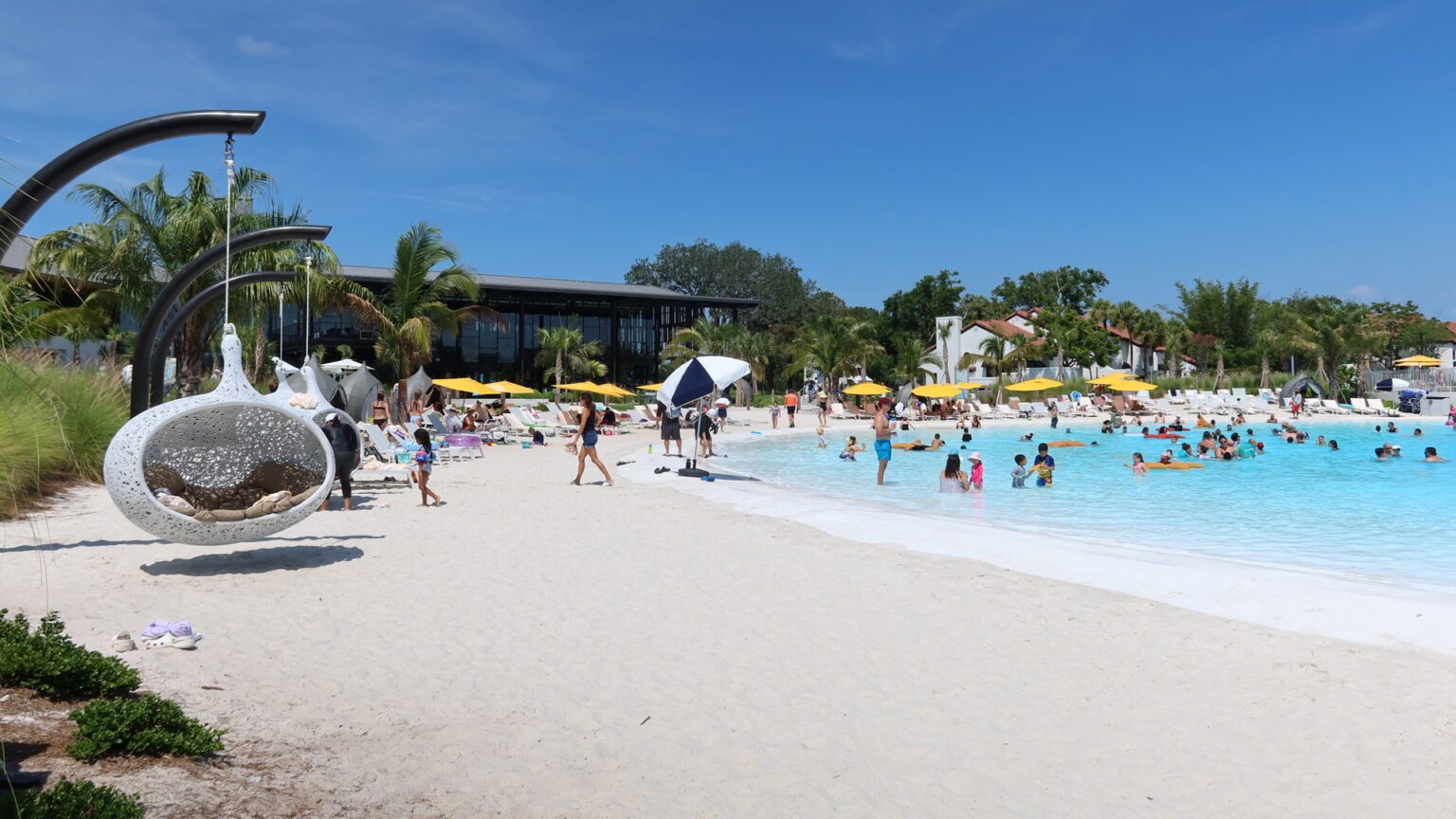
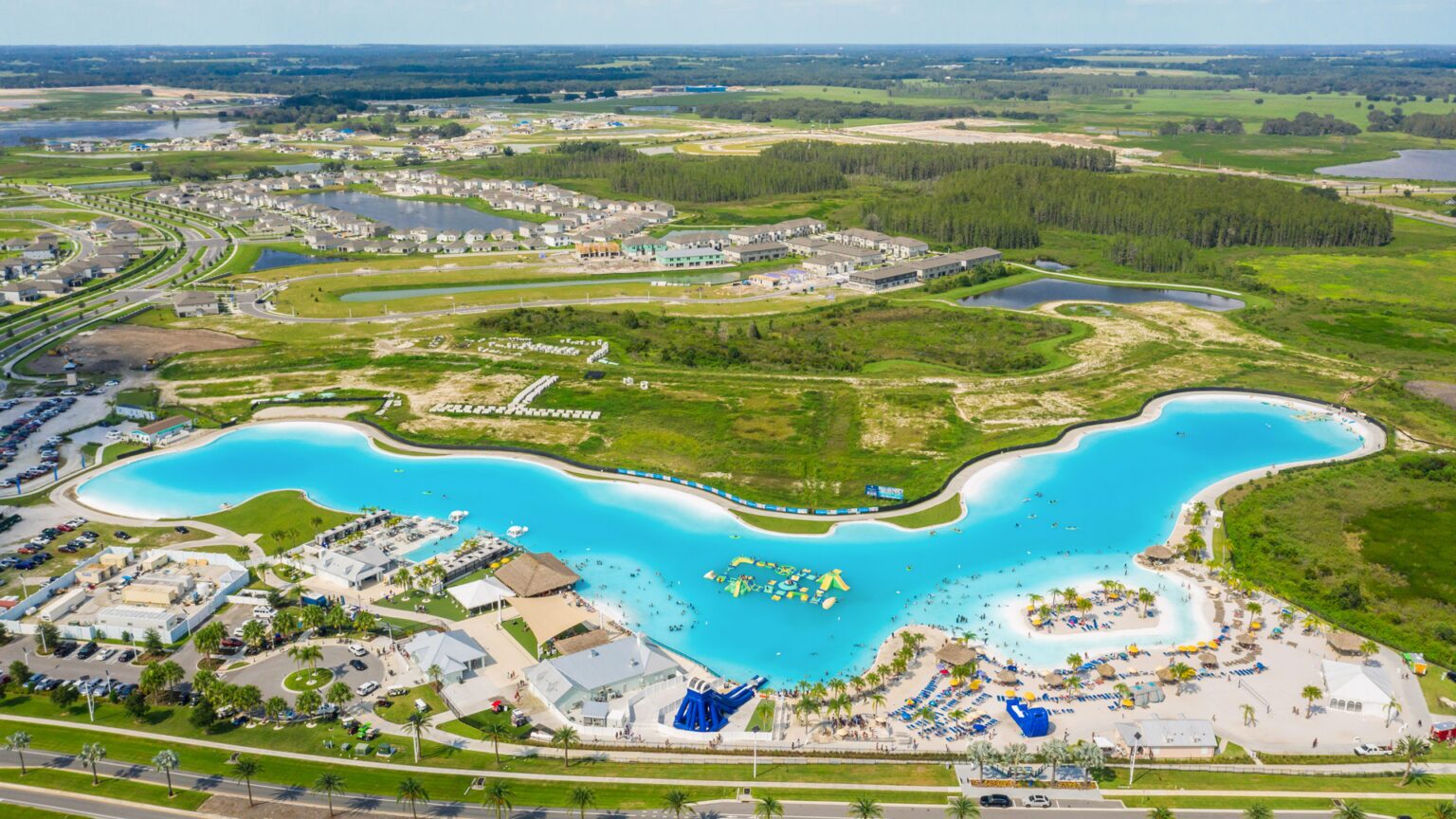
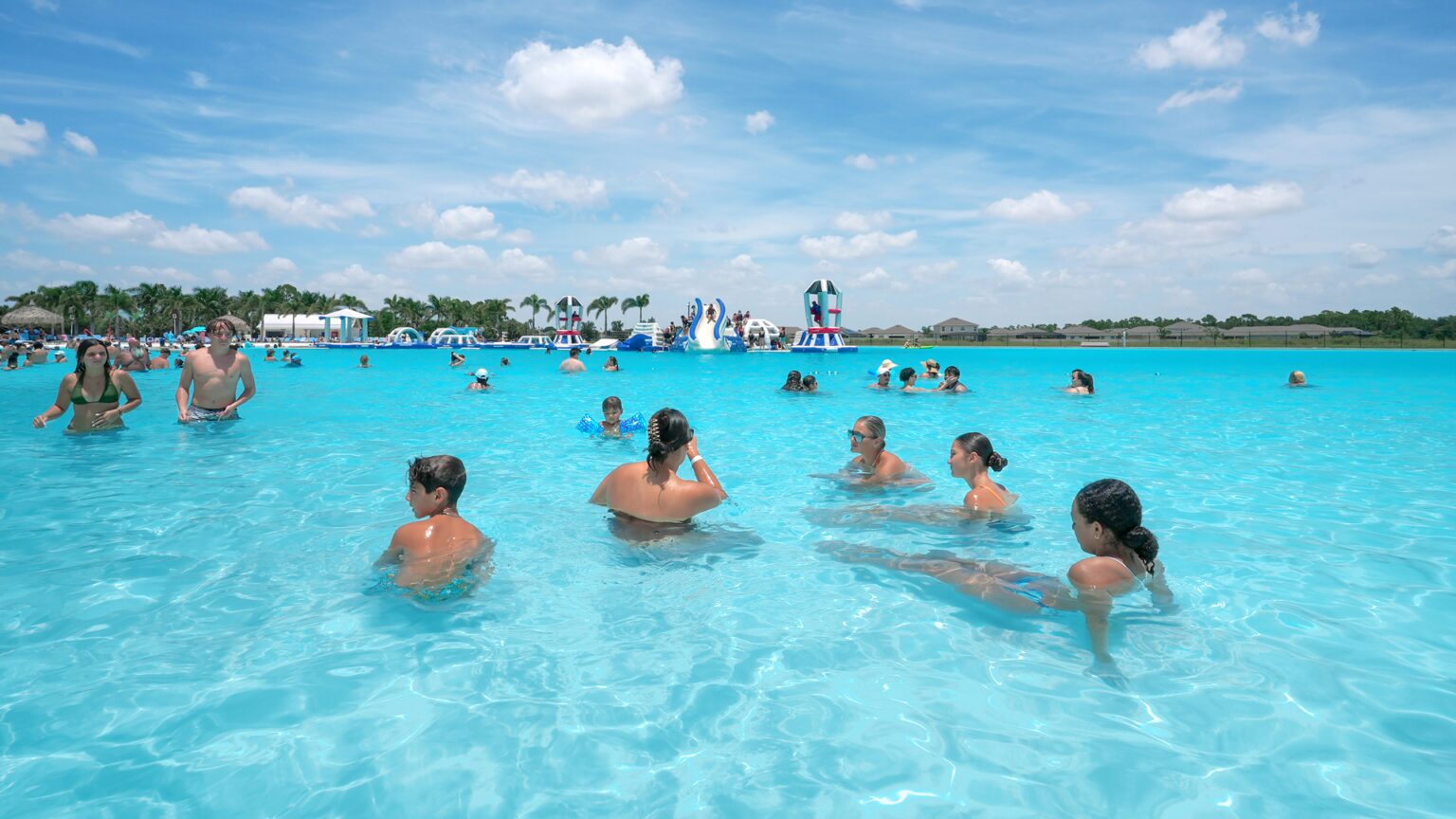
Crystal Lagoons® technology addresses precisely that need: it enables the development of large-scale crystalline lagoons suitable for swimming and water sports, with low water, energy, and chemical consumption. This amenity uses only 2% of the energy required by conventional swimming pool filtration systems, requires up to 100 times fewer chemicals, is filled only once, and operates in a closed circuit. In addition, it uses 33 times less water than an 18-hole golf course, 40% less water than a park of the same size, and can use any type of water: fresh, salt, or brackish.
For real estate and hospitality developers, this changes the equation. A crystalline lagoon no longer functions merely as a landscape feature: it becomes an anchor amenity capable of increasing property value, accelerating sales, improving occupancy, and positioning a project as a destination.
Why Latin America Is Key to the Growth of Crystal Lagoons
The impact of Crystal Lagoons in Latin America reflects a global trend: consumers are seeking beach experiences, wellness, recreation, and social life, even in locations far from natural coastlines. At the same time, developers need solutions that combine differentiation, operational efficiency, and sustainability.
In this context, the region has brought together projects that showcase the technology’s versatility: from residential communities and luxury resorts to shopping centers transformed into urban entertainment destinations.
1. San Alfonso del Mar, Chile: The Project That Changed the History of Amenities
The First Major Laboratory for Real Estate Innovation
San Alfonso del Mar, located in Algarrobo, Chile, was the project that marked the beginning of a new category of amenities for real estate and hospitality developments. Opened in 2005, this residential complex features 11 buildings and 1,300 apartments facing the ocean and the lagoon. Its centerpiece is a 19.64-acre lagoon, approximately 0.61 miles long, containing 66 million gallons of seawater.
What made this case innovative was not only its scale. San Alfonso del Mar demonstrated that it was possible to create a safe and controlled beach experience in an area where the ocean has strong currents and low temperatures, conditions that make swimming and water sports difficult.
Why It Is Relevant for Real Estate Developers
San Alfonso del Mar proved, at real scale, that a crystalline lagoon could become the center of gravity of a master plan. It was the proof of concept that demonstrated that the “lagoon effect” was real, profitable, and sustainable.
For the industry, this project delivered three key lessons:
- An iconic amenity can transform the entire positioning of a development.
- A beach experience can be created even where natural conditions do not allow it.
- Sustainable innovation can become a driver of property value, sales, and media visibility.
2. AVA Resort Cancún, Mexico: Luxury Hospitality with Sustainable Technology
A New Way to Elevate the Hotel Experience
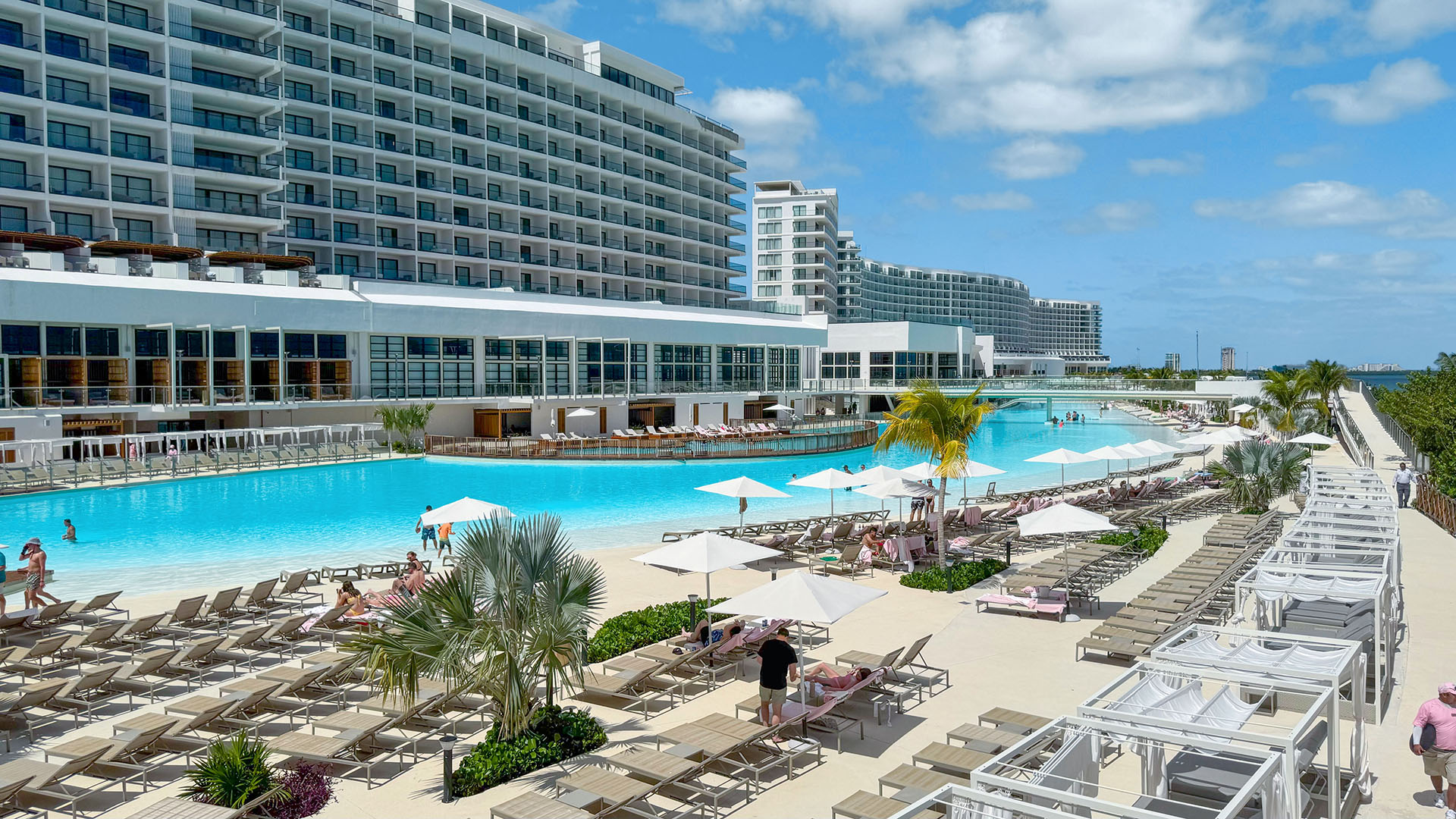
AVA Resort Cancún represents the application of the multinational water innovation company’s technology to the large-scale hospitality segment. Located in Cancún, Mexico, the resort features 1,622 oceanfront rooms and suites, with a 2.89-acre turquoise lagoon powered by Crystal Lagoons® technology at its heart.
This case is especially relevant because it demonstrates how a crystalline lagoon can be integrated into the architectural and operational design of a resort, not only as a visual attraction, but as a central guest experience. The lagoon enables activities such as swimming and water sports in a safe, family-friendly, and controlled environment.
The Value for Hotel Operators and Developers
In the hospitality industry, differentiation increasingly depends on memorable experiences. AVA Resort Cancún shows how Crystal Lagoons can transform a hotel into a destination in itself, increasing the project’s appeal and creating a stronger value proposition compared to other all-inclusive resorts.
For developers and operators, the model offers clear advantages:
- Greater differentiation from traditional resorts.
- A controlled, safe, and visually iconic aquatic experience.
- Potential to increase length of stay, satisfaction, and perceived value.
- Integration of sustainability as part of luxury positioning.
3. Kristal Mall Cartagena, Colombia: The Country’s First “Shopping Resort”
When Retail Becomes Urban Entertainment
Kristal Mall, in Cartagena de Indias, is one of the most innovative Crystal Lagoons projects in Latin America because it brings the technology into the world of retail and public entertainment. The project features a 5.43-acre crystalline lagoon under the Public Access Lagoons® model, also known as PAL® developments.
The initiative seeks to transform the largest shopping center in the Colombian Caribbean into the country’s first “Shopping Resort,” combining retail, leisure, gastronomy, events, and beach life in one place.
A New Revenue Model for Developers
The strategic value of Kristal Mall lies in the fact that it expands Crystal Lagoons’ reach beyond traditional residential or tourism projects. Under the PAL® model, anyone can access the beach experience through ticketed entry, memberships, events, gastronomy, retail, concerts, fairs, and recreational activities.
For real estate developers, this model opens new opportunities:
- Transforms commercial spaces into experiential destinations.
- Generates recurring traffic and longer dwell time.
- Diversifies revenue streams.
- Increases appeal for brands, operators, and visitors.
- Repositions urban assets through sustainable entertainment.
What These Projects Teach the Real Estate Industry
San Alfonso del Mar, AVA Resort Cancún, and Kristal Mall Cartagena show three different paths for the same innovation:
- Residential real estate: turning a community into a high-value destination.
- Hospitality: elevating the guest experience through an iconic amenity.
- Public entertainment and retail: transforming urban assets into centers of experience and consumption.
In all cases, Crystal Lagoons serves as a differentiation platform, capable of changing perceptions of the project, improving its positioning, and generating new business opportunities.
Latin America as a Global Showcase for Sustainable Innovation
The impact of Crystal Lagoons in Latin America confirms a decisive trend for the future of real estate: the most competitive developments will be those capable of combining experience, profitability, and sustainability.
For real estate developers, the lesson is clear. Innovation is no longer just about building more or designing better. It is about creating memorable, efficient, and commercially powerful destinations. In this transformation, Crystal Lagoons is positioned as a technology capable of redefining the value of real estate, tourism, hospitality, and public entertainment projects in Latin America and around the world.
Original Content