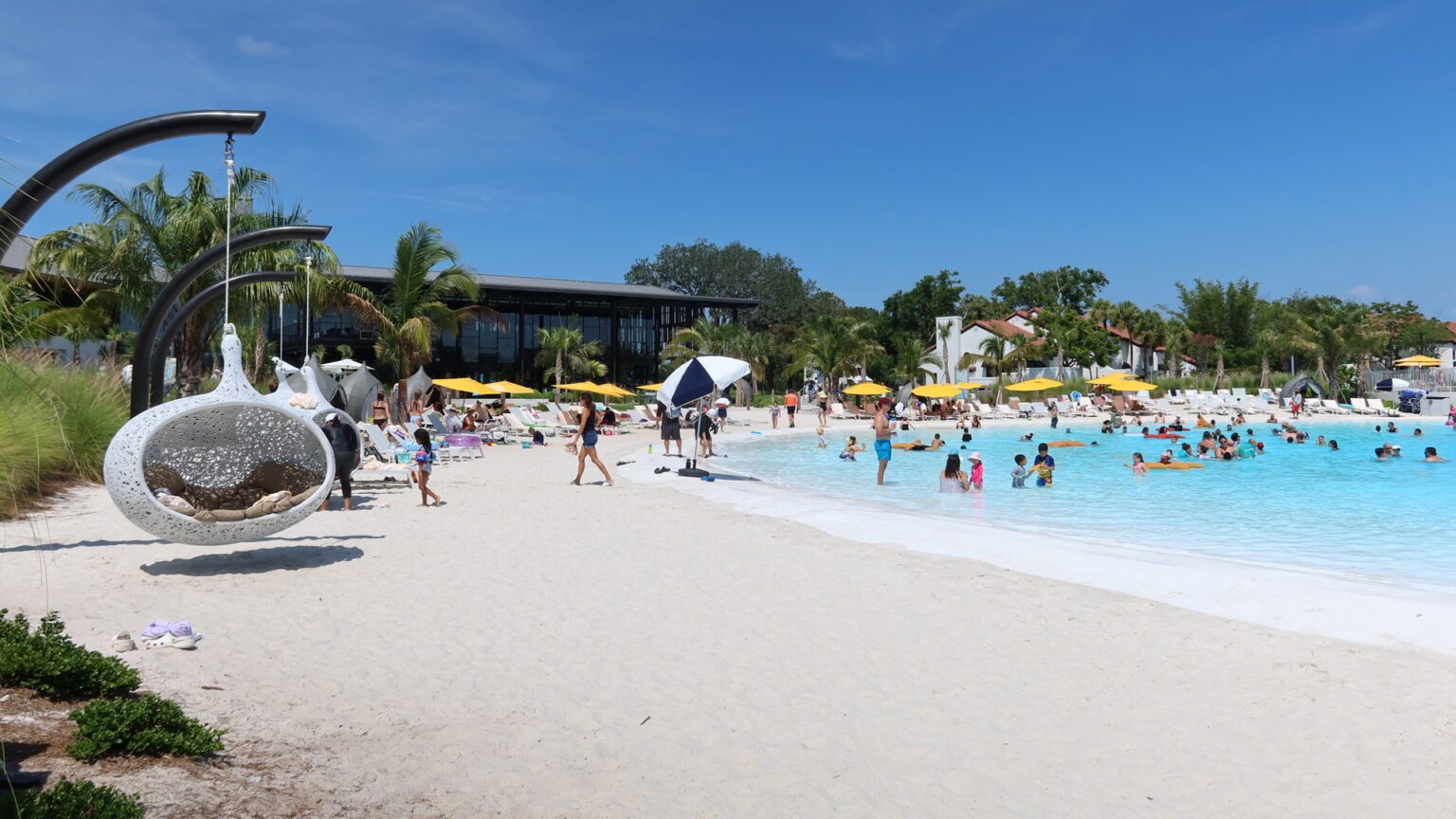
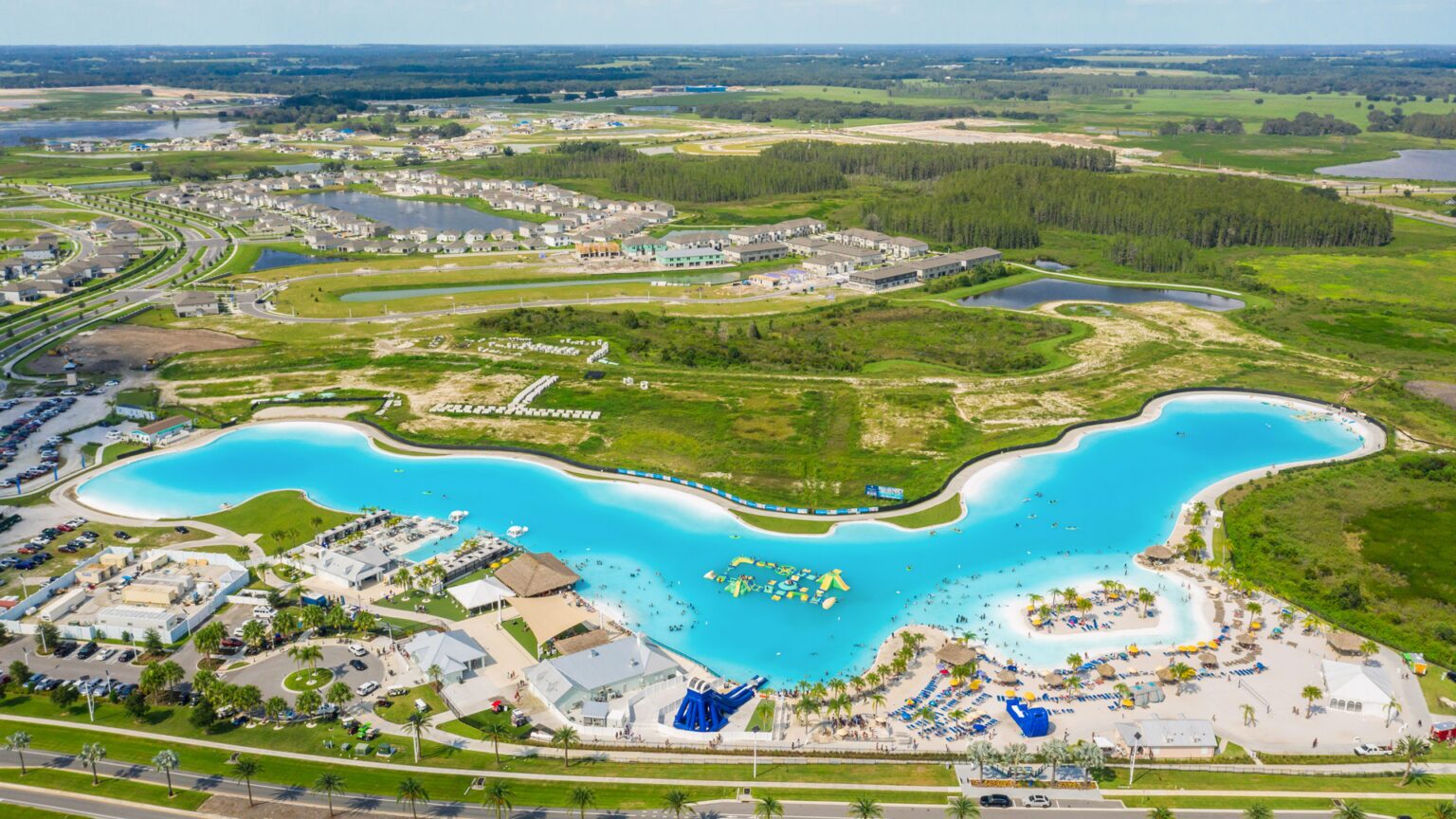
- Treasure Bay Bintan placed water at the heart of its concept: a lagoon powered by Crystal Lagoons® technology that brings together hotels, glamping, water sports, and ticketed access in one of the most iconic examples of the Public Access Lagoons® model.
At the Treasure Bay Bintan project, the crystalline lagoon is not simply a decorative feature. It is the reason to visit.
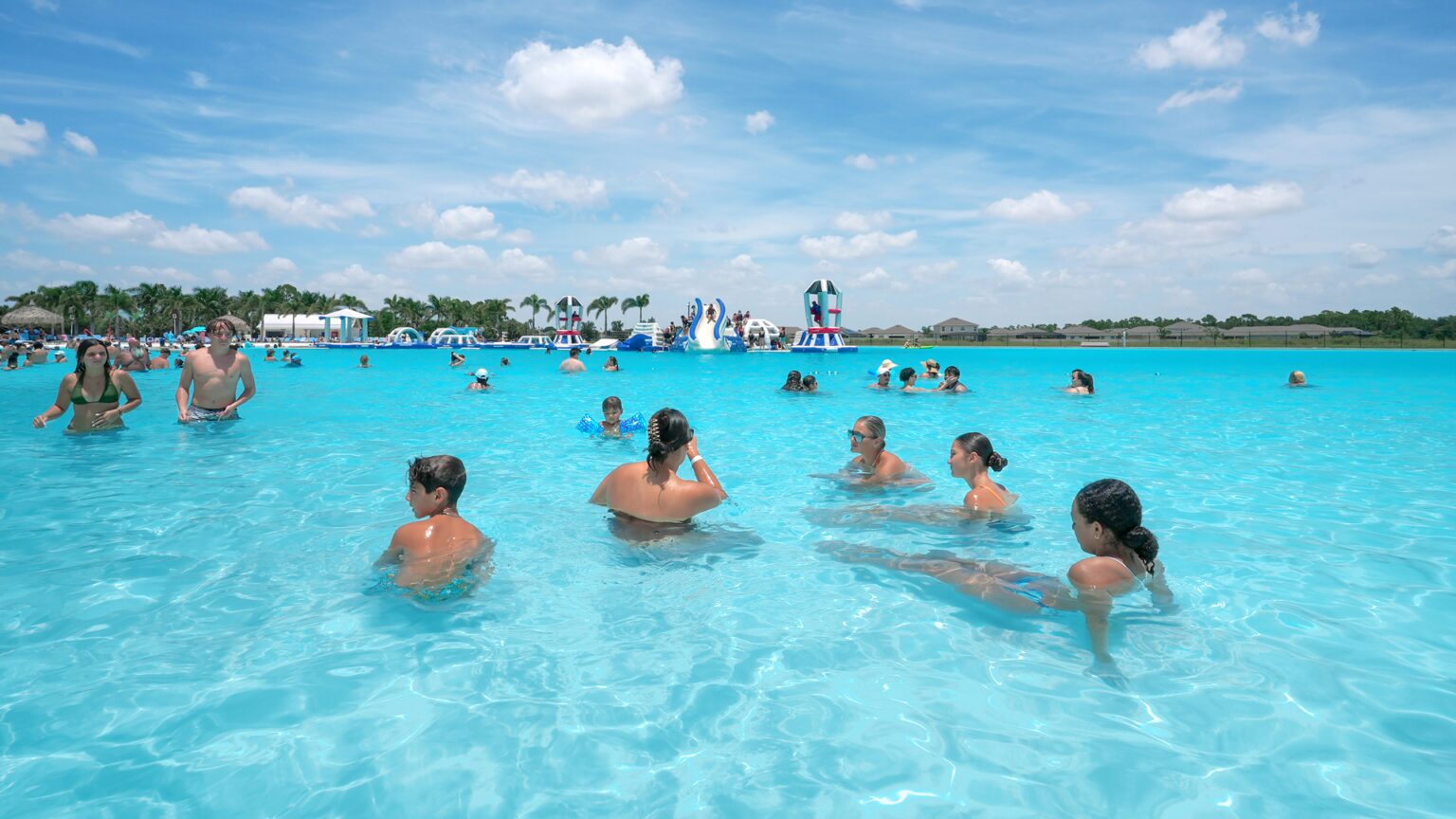
Located on Bintan Island, Indonesia, the project is centered around a 16-acre crystalline lagoon powered by Crystal Lagoons® technology, recognized as the largest man-made seawater lagoon in Southeast Asia. Its turquoise waters create an expansive setting for swimming, family fun, and water sports.
Scale matters. The lagoon became the main attraction of a US$3 billion tourism destination that has been operating since 2015. Rather than developing a conventional swimming pool as an add-on to a resort, Treasure Bay made the water experience the centerpiece of its concept.
The commercial impact of the Public Access Lagoons® model
How can an amenity be transformed into a direct source of operating revenue? The key was implementing the Public Access Lagoons® model, also known as the PAL® model.
Under the Chill Cove commercial concept, the lagoon offers daily access to non-guest visitors through ticket sales, while also serving resort guests. This creates a constant flow of activity:
- Steadily growing visitor traffic: The result is a consistent source of demand that drives the project’s commercial performance. In 2025, Treasure Bay welcomed 315,459 visitors, an increase of nearly 22% compared with the previous year. Around 350,000 visitors are projected for 2026.
- Accelerated profitability and diversified revenue streams: The financial results support this model. The complex’s revenue tripled during its first two years of operation after opening to the public and reached US$5.65 million in 2025, generated by hospitality, ticket sales, activities, and food and beverage. Around 28% of revenue comes directly from tickets and lagoon-related activities.
For a real estate developer, the takeaway is powerful: the asset no longer depends solely on people who purchase a property or book a room. PAL® projects can monetize access, activities, commercial spaces, and other services surrounding the lagoon.
Hospitality and luxury glamping: The multiplier effect on rates
The value of the lagoon directly impacts the surrounding hospitality infrastructure. Treasure Bay Bintan is home to two high-end accommodations: Natra Bintan (Marriott International’s first glamping experience, featuring 100 safari-style tents) and Anmon (a desert-themed glamping resort owned by The Hip And Happening Group Holdings).
The data reveal a compelling competitive advantage for real estate developers:
- The presence of the lagoon increases nightly rates by 300% to 500% compared with traditional glamping properties in the area that do not offer water amenities.
- This increase in value makes it possible to command significantly higher room rates than local competitors and even glamping options in higher-cost markets such as Singapore.
A success story for real estate developers
Treasure Bay Bintan demonstrates how an iconic amenity can become the economic engine of an entire development. The combination of a Crystal Lagoons® amenity, the PAL® model, a differentiated hospitality offering, and sustainable operations has helped attract hundreds of thousands of visitors each year, increase asset value, and position the project as one of Indonesia’s most recognized family destinations.
For real estate developers, the project offers a clear lesson: when an amenity generates demand of its own, creates new revenue streams, and increases the destination’s appeal, it becomes a competitive advantage that is difficult to replicate.
Original content