- A water attraction can go from being just another amenity to becoming the hotel’s signature feature. The key is choosing a solution designed to operate efficiently, stand out, and grow.
In hospitality, a water attraction can be much more than just a recreational space. When chosen well, it can become the signature feature of the resort, enhance the guest experience, and provide a clear reason to choose one property over another. The industry recognizes that distinctive amenities play an important role in differentiation, guest satisfaction, and the ability to attract visitors.
That’s why, when evaluating water attractions for hotels, the question shouldn’t be limited to how much they cost or how many square feet they occupy. The real challenge is finding a solution that works from a design, day-to-day operations, and commercial positioning standpoint. This is where Crystal Lagoons® technology truly stands out.
Six Key Factors When Choosing Water Attractions for Hotels
1. Make the Attraction Part of the Resort Concept
The best hotel water park design doesn’t start by choosing equipment from a catalog. It starts by understanding the experience the hotel wants to create.
Is it a family resort? Is it focused on luxury? Wellness? Longer stays? A beach experience far from the coast?
Signature water attractions create more value when they are integrated from the outset into the master plan, architecture, landscaping, restaurants, and guest rooms.
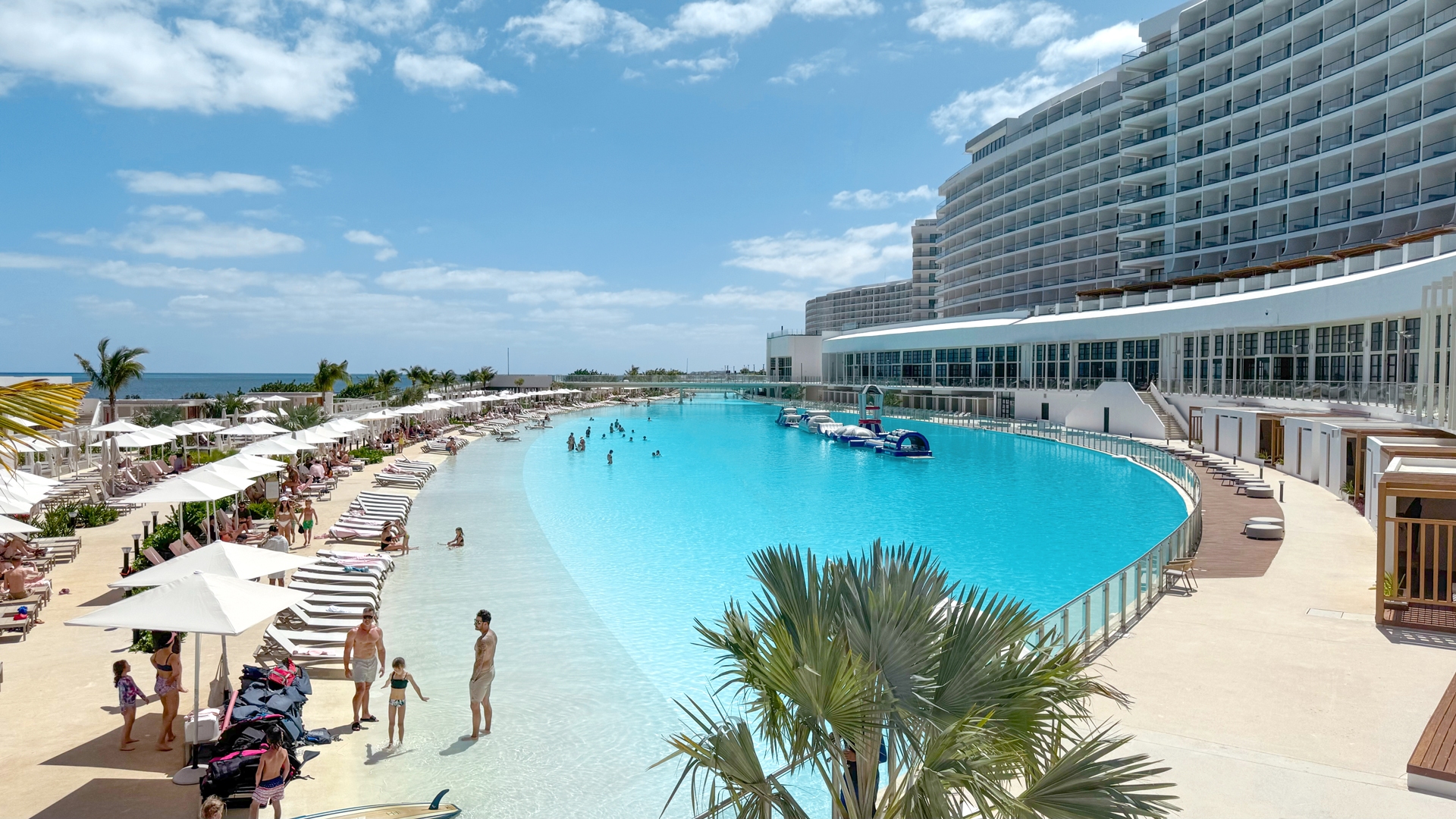
A good example is AVA Resort Cancún, in Mexico. Its 2.9-acre lagoon powered by Crystal Lagoons® technology sits at the heart of a 1,622-room resort and allows guests to swim, sail, kayak, and paddleboard. The hotel itself presents AVA Bay as one of the central elements of the guest experience.
2. Look at Operations, Not Just Visual Impact
A water attraction may look spectacular in a rendering but later become difficult and costly to operate.
Before choosing among water entertainment providers, it’s important to evaluate energy consumption, water treatment, chemical use, maintenance, staffing requirements, and monitoring systems.
For example, Crystal Lagoons® technology allows its lagoons to use up to 50 times less energy and 100 times fewer chemicals than a traditional swimming pool. They operate in a closed-loop system and only require replacing the water lost mainly through evaporation.
3. Require Water Quality Control and Continuous Monitoring
In water attractions for hotel developments, safety and operations go hand in hand.
The provider should clearly explain how water quality is controlled, which processes are automated, how deviations are detected, and how the system adapts to local regulations.
The crystalline lagoons feature sensors, dosing systems, and telemetry monitoring connected to the Crystal Lagoons Control Center, which remotely supervises water quality parameters and hydraulic systems.
4. Look for an Experience That Generates Activities
A large body of water should be actively enjoyed.
Swimming, kayaking, paddleboarding, boating, aquatic circuits, beaches, cabanas, events, and food and beverage offerings allow the amenity to serve different purposes throughout the day and appeal to different guest profiles.
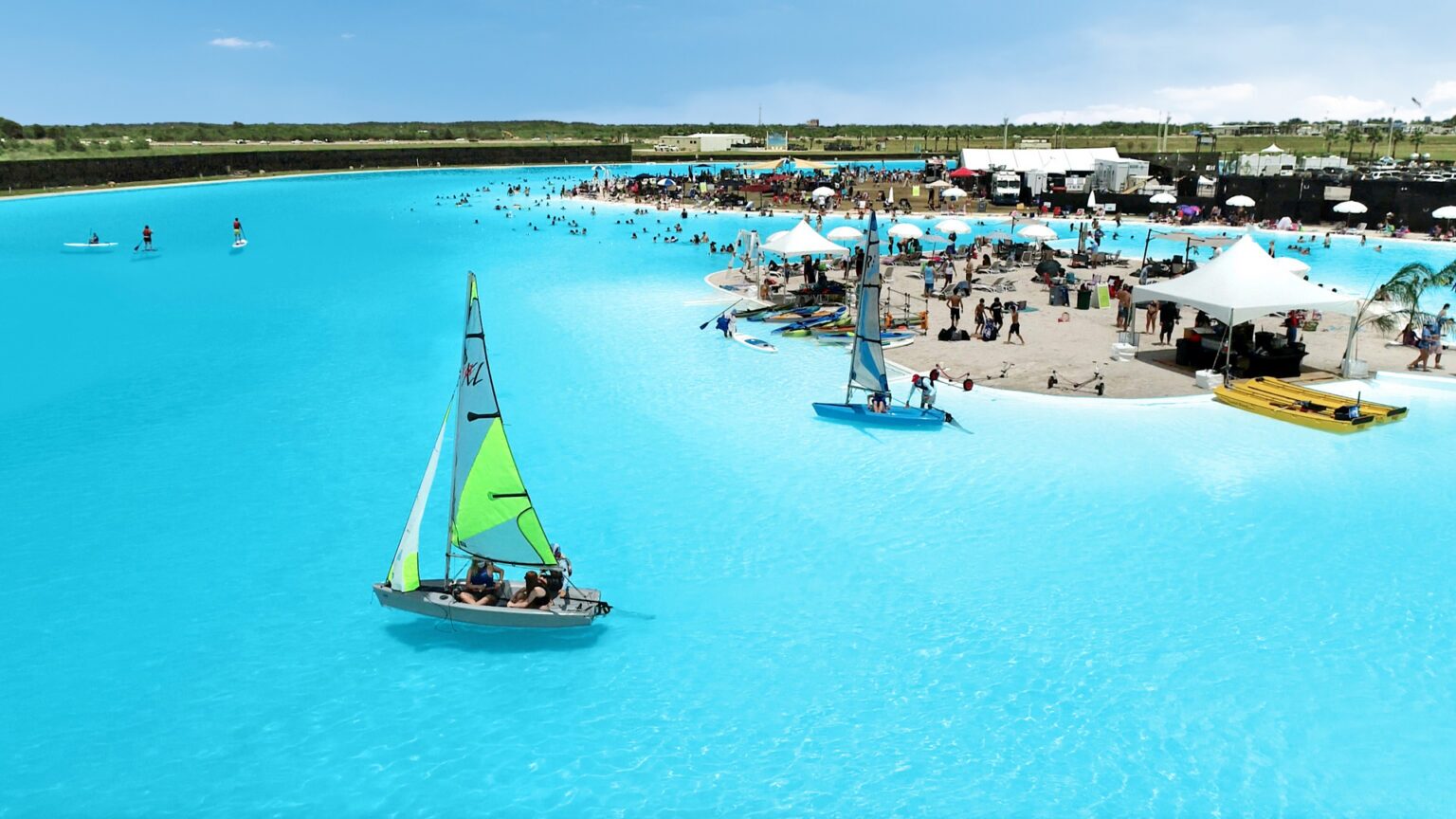
At Hyatt Regency Hill Country in Texas, the 2.2-acre lagoon includes beaches, private cabanas, water sports, and a new food and beverage offering.
5. Measure How Much It Truly Differentiates the Hotel
Water features for hotels can add to the entertainment value. A signature attraction should do more: it should make the property instantly recognizable.
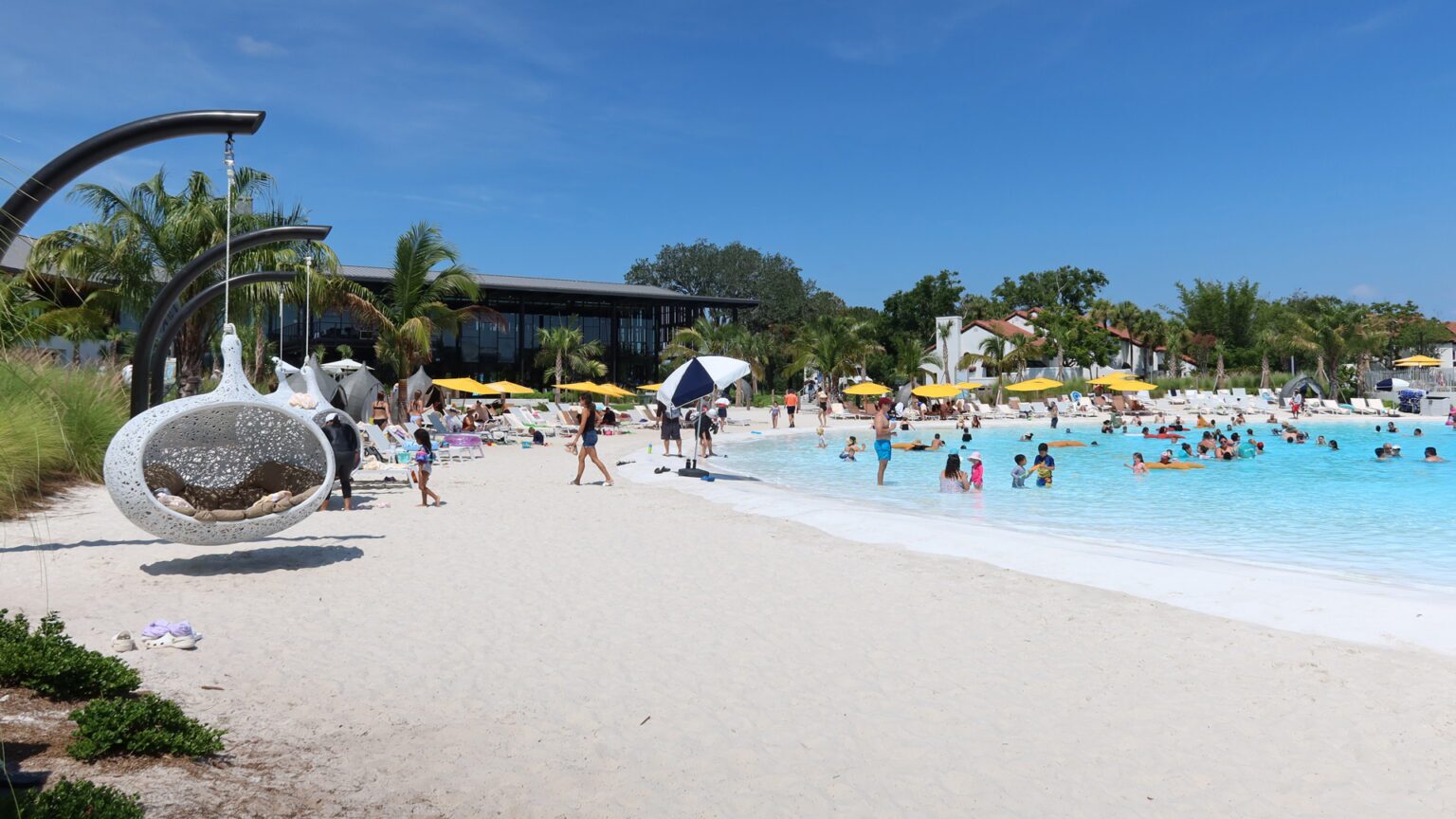
Evermore Orlando Resort, for example, built part of its concept around an 8-acre crystalline lagoon, integrated into a US$1.5 billion development that includes vacation homes and a 433-room Conrad hotel.
The distinction matters. It’s not just about adding another amenity, but about creating a defining image that becomes directly associated with the destination.
6. Choose a Solution That Can Grow with the Business
A resort evolves. So do its guests and its opportunities to generate new revenue. That’s why a strong water attraction should allow the property to add new experiences, dining options, events, and sports, or adapt to future phases of the development.
The Public Access Lagoons® model, also known as the PAL® model, takes this approach even further by transforming the lagoon into a destination open to outside visitors as well, generating revenue through admission fees, activities, food and beverage, and events. This makes it possible to expand the development’s audience and create new revenue streams around the water.
Treasure Bay Bintan, in Indonesia, is a good example: its lagoon became the centerpiece of a concept that combines hotels, glamping, water sports, and paid access, extending the project’s appeal far beyond its hotel guests.
From Amenity to Destination
When evaluating water attractions for hotels, the deciding question should be simple: does this investment merely add another activity, or does it change the way guests perceive the resort?
Crystalline lagoons make it possible to bring a beach experience to hospitality projects in a wide range of settings and turn water into a focal point for gathering, recreation, and differentiation.
For hotel developers, that’s the opportunity: to create an amenity that isn’t just an addition to the project, but one of the main reasons to visit it.
Original content